




Key FAQ Points:
- Make sure the plaster is completely dry. This typically takes around 4 weeks, though drying time can be longer in cool or damp conditions.
- Prepare your plaster, put down protective floor covers and mask nearby surfaces that don’t need painting.
- Use a mist coat to seal the super-porous bare plaster before painting.
---
Can you paint plaster? Absolutely. Plastered walls can look amazing when they’re painted. But only if they’re properly prepared. Here’s a step-by-step guide to help you get it right.
1. Let the plaster dry
There’s not much you can do here other than wait. Fresh plaster contains a lot of moisture. Painting too early can cause bubbling, peeling or flaking as that moisture continues to escape through your paintwork.
A plaster over-skim will take a few days to dry, while newly plastered walls will take upwards of 4 weeks.
How to check if plaster is dry
Aside from following the recommended waiting times above, you can look for a colour change from dark to pale cream or white. The surface will also feel cool to the touch rather than damp. To be completely sure, you can use a moisture meter and look for readings below 1%.
2. Prepare your plaster
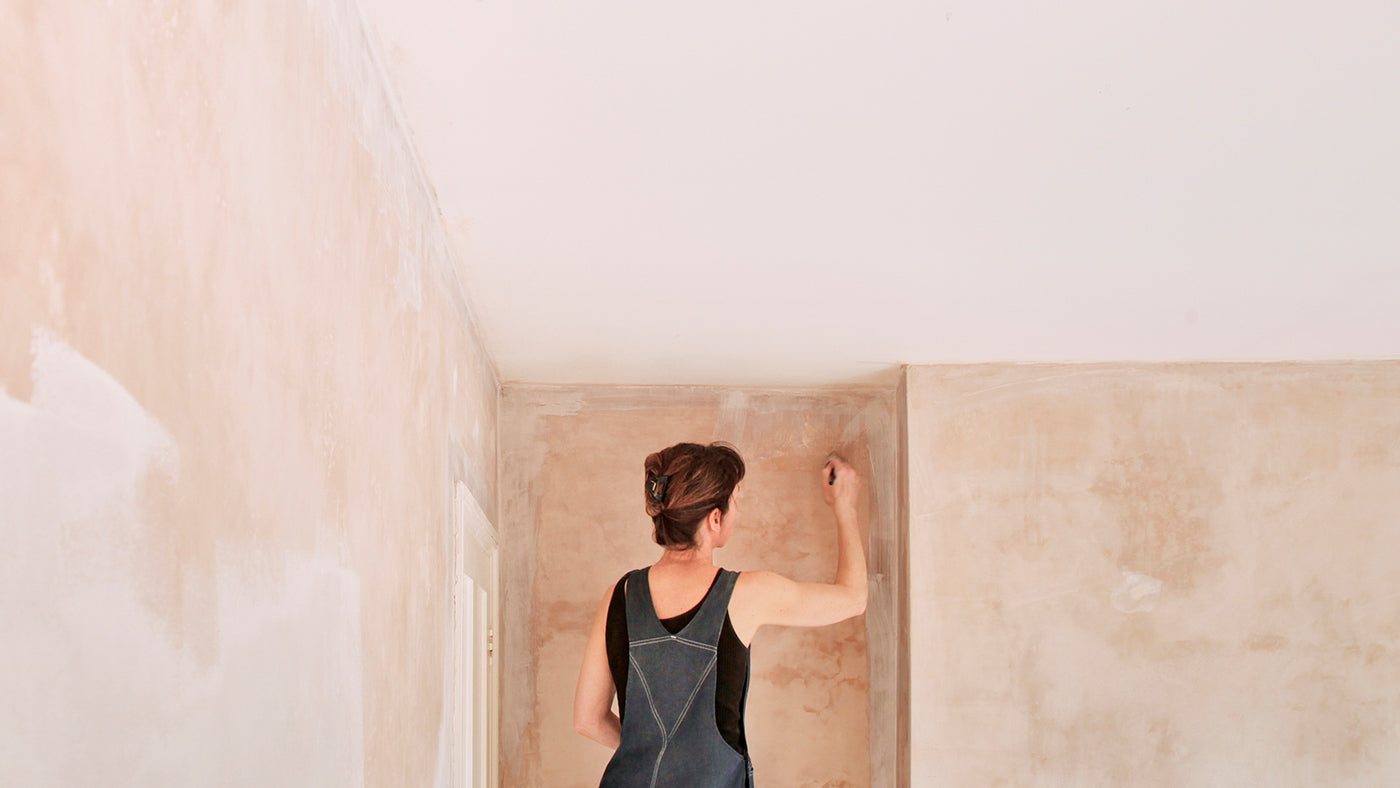
Final touches to your plaster can be the difference between a smooth finish and one that leaves you discontented for years to come:
- Fill imperfections: Use a fine filler for cracks or holes. Allow it to dry, then sand smooth.
- Sand the surface: Even plastered walls can have bumps or ridges. Light sanding ensures paint adheres evenly.
- Clean the wall: Dust can interfere with paint adhesion. Wipe walls with a damp cloth and let them dry completely.
Extra tip: Super-smooth plaster often benefits from a very light sanding, as this gives the paint something to grip.
3. Prepare the area
“Can I paint plaster now?” Not just yet. A bit of extra legwork before painting will save you loads of time in the long run and improve the end results no-end.
Lay down dust sheets on floors and nearby furniture. Then use masking tape to protect areas that you don’t want to paint. We’re talking about skirting boards, coving, window frames and adjacent walls. It’s also worth covering electrical sockets or light switches to make cutting in easier.
4. Apply a mist coat
A mist coat is a thinned-down layer of paint that seals bare plaster. It prevents it from absorbing too much moisture from your topcoat. The mist coat will partially absorb into the plaster, which essentially seals it before painting properly.
How to make a mist coat
- Mix 1 part paint to nine parts Frenchic Chalk Wall Paint. Ratios may vary if you’re using a different paint product.
- While emulsion paints, latex paints and chalk paints all work, you should avoid oil-based paint on new plaster.
- Apply evenly with a roller or brush. Don’t oversaturate, as the plaster may go too wet and streak.
- Allow 2-4 hours for your mist coat to dry. Drying times can vary depending on temperature and ventilation.
5. Paint your plaster
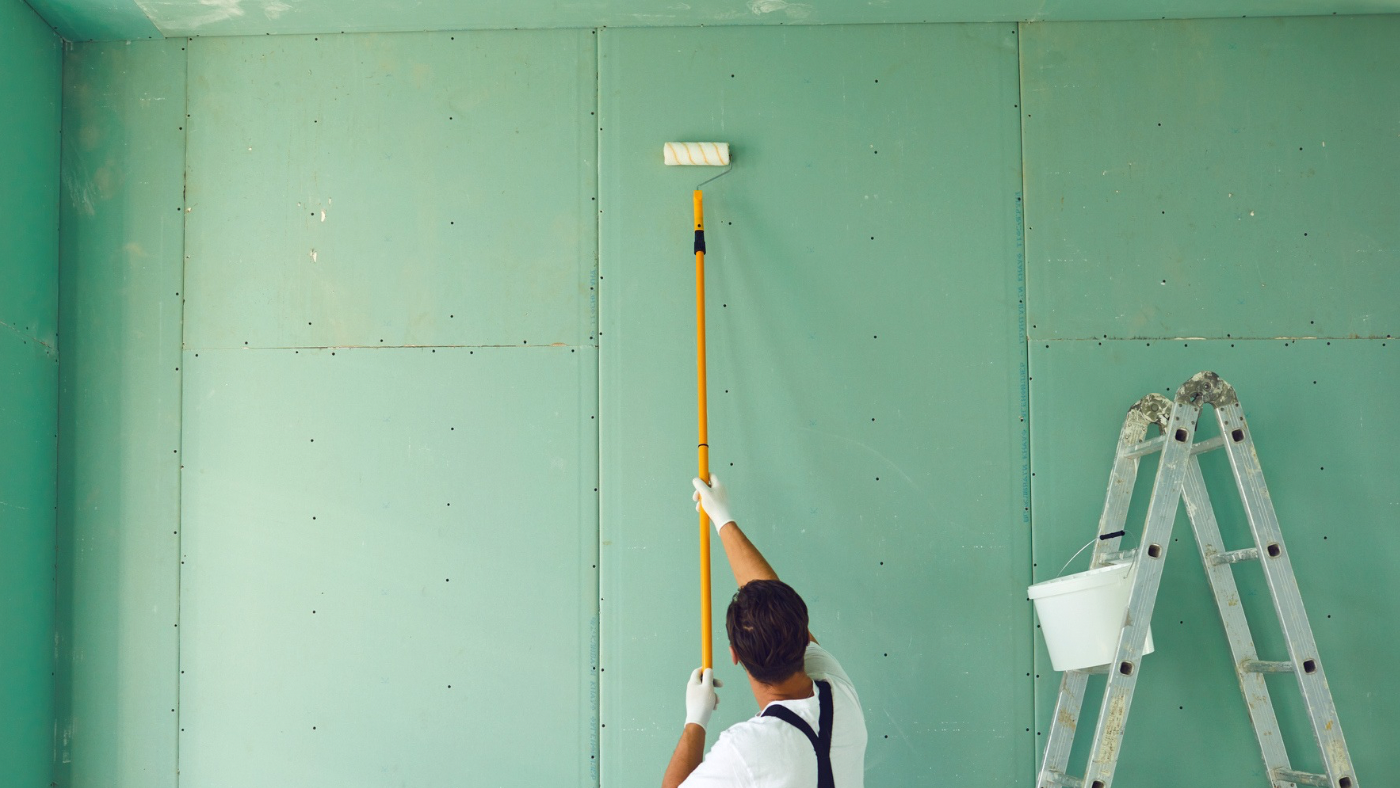
Once your mist coat has dried, you can paint your walls as normal:
- Follow the manufacturer’s advice for coverage, coats and drying times.
- 2-3 coats are usually sufficient for a smooth, even finish
- Sand lightly between coats if necessary to remove any imperfections.
Take a look at our guide to painting new plaster for more information.
Can I paint plaster: common mistakes to avoid
- Painting plaster that isn’t fully dry: The residual moisture will be trapped beneath your paint, leading to bubbling, blistering, peeling or patchy coverage.
- Skipping sanding or filling cracks: Plastered surfaces aren’t always perfectly smooth. Small bumps, ridges or holes can become even more noticeable after painting, ruining an otherwise great finish.
- Over-thinning the mist coat: Don’t mix your mist coat by eye. If it’s too watery, you’ll end up with streaks or a patchy finish as well as a weaker paint layer when that’s added.
Final tips for painting plaster
- Work in a well-ventilated area: Ensure good airflow to help paint dry evenly, reduce fumes and prevent damp or stale air from affecting adhesion.
- Keep a damp cloth handy for small mistakes: Quickly wipe up drips, smudges or splashes before they dry to maintain a neat, professional-looking finish.
- If you’re painting large walls, work in sections to avoid overlap marks: Break the wall into manageable areas, maintaining a wet edge for smooth, consistent coverage without streaks.
Also commonly asked...
Can I paint over old plaster?
Yes! Old plaster can be painted too, but it may need some preparation:
- Clean the wall to remove dust, grease or flaking paint.
- Sand any rough patches and fill cracks or holes.
- If the plaster is very dry and powdery, apply a mist coat or primer to help new paint adhere evenly.
Do I need to prime plaster before painting?
New plaster: A mist coat acts as a primer, sealing the surface so your paint goes on smoothly.
Old plaster: Use a standard primer if the surface is porous, stained or previously painted with glossy paint. Frenchic’s Chalk Wall Paint is self-priming on walls, but you can use a coat of Finishing Coat to completely seal and prepare the surface.
How many coats of paint are needed on new plaster?
After the mist coat, 2-3 coats will usually be sufficient for an even finish. The exact number depends on the paint type, colour and how porous the plaster is. Light colors over dark plaster may require an extra coat.
Can I use oil-based paint on plaster?
Not directly on new, bare plaster. Wait until it is fully dry and sealed with a mist coat or primer. Otherwise, adhesion issues and peeling can occur.
Can I paint plaster without a mist coat?
It can be tempting to cut corners if you think you’ll get the same results. However, skipping the mist coat is not recommended on bare plaster. The surface is very absorbent, and regular paint will soak in unevenly, leading to patchiness and wasted paint.