




With so many colours available in limitless shades, hues and tints, it can be challenging to settle on a scheme for your home. To help you overcome choice paralysis, we've put together a guide packed with tips, tricks and bucket loads of inspiration.
Before diving into our room-by-room colour recommendations, there are a few key things to keep in mind: how natural light affects your space, the basics of colour theory, how to use neutrals to your advantage and why using Peel & Stick Paint Smples before you commit is always worth it.
Amount of natural light
Before picking a palette, you should assess how much natural light a room receives and whether it's north, east, west or south facing. It's important because the quality of light will impact the paint's final appearance, and specific colours will make spaces look larger or smaller.
North-facing and windowless rooms can feel gloomy, even during the warmer summer months. Therefore, cold colours like white, blue and grey only make spaces look less inviting and darker. Instead, choose neutrals or pastels with warm yellow or beige undertones. You can also give rooms more dimension by choosing bold, saturated colours.
East-facing rooms feel cooler as the day progresses, whereas west-facing rooms warm-up over time. So, choose combination colours that give you the best of both worlds like teal (green and blue), purple (blue and red) and yellow (orange and red).
South-facing rooms are everyone's favourite because they receive plenty of flattering light morning to night. Opt for neutrals and cool colours as they reflect light to make spaces look larger and airier.
Colour theory
The easiest way to finalise a scheme is by building around colours you love with colour theory.
Firstly, think about colours that bring you joy or inspire happy memories. Then, use a colour wheel to find complementary pairings (top tip – they're opposite each other). When put together, these duos create a standout contrast when divided between walls and accents.
How-to use neutrals
If you're unsure about the bold colour wheel combinations of red and green, blue and orange and purple and yellow, stick with neutrals or a neutral/colour combination.
Implementing neutrals is safe without being boring, but you must choose the right undertone for your desired effect. Warm neutrals have yellow, brown or orange undertones, creating a sense of cosiness, while cool neutrals draw from blue and green. Go back to how much natural light your room receives before making a final decision.
With all-neutral rooms (especially all-white rooms), create texture through furnishings. Layered throws, pillows, accent shelves and wall art gives much-needed depth.
Samples and testing
Please, please, please get sample happy. Otherwise, you could waste excessive amounts of time and money. It's crucial to check the colours on actual walls or furniture rather than in the shop because testing cards only show a tiny amount of paint without considering the surrounding space and light.
The best way to do this is with ourPeel & Stick Paint Samples. They’re made with real paint, so what you see on the wall is a true, accurate colour match. They're low-tack, repositionable and leave no marks, so you can move them around to test the colour in different lights and against different surfaces before you commit.
We make every effort to match our online shop colour swatches to the paint. However, we cannot guarantee an exact colour replication as devices can display differently due to screen types and device settings. In addition, colours can appear differently once in your home due to lighting and surroundings and can present differently depending on surface texture and porosity.
There is no substitute for visiting a stockist to see the colours yourself or ordering our Peel & Stick Paint Samples.
What are the best colours for a bedroom?
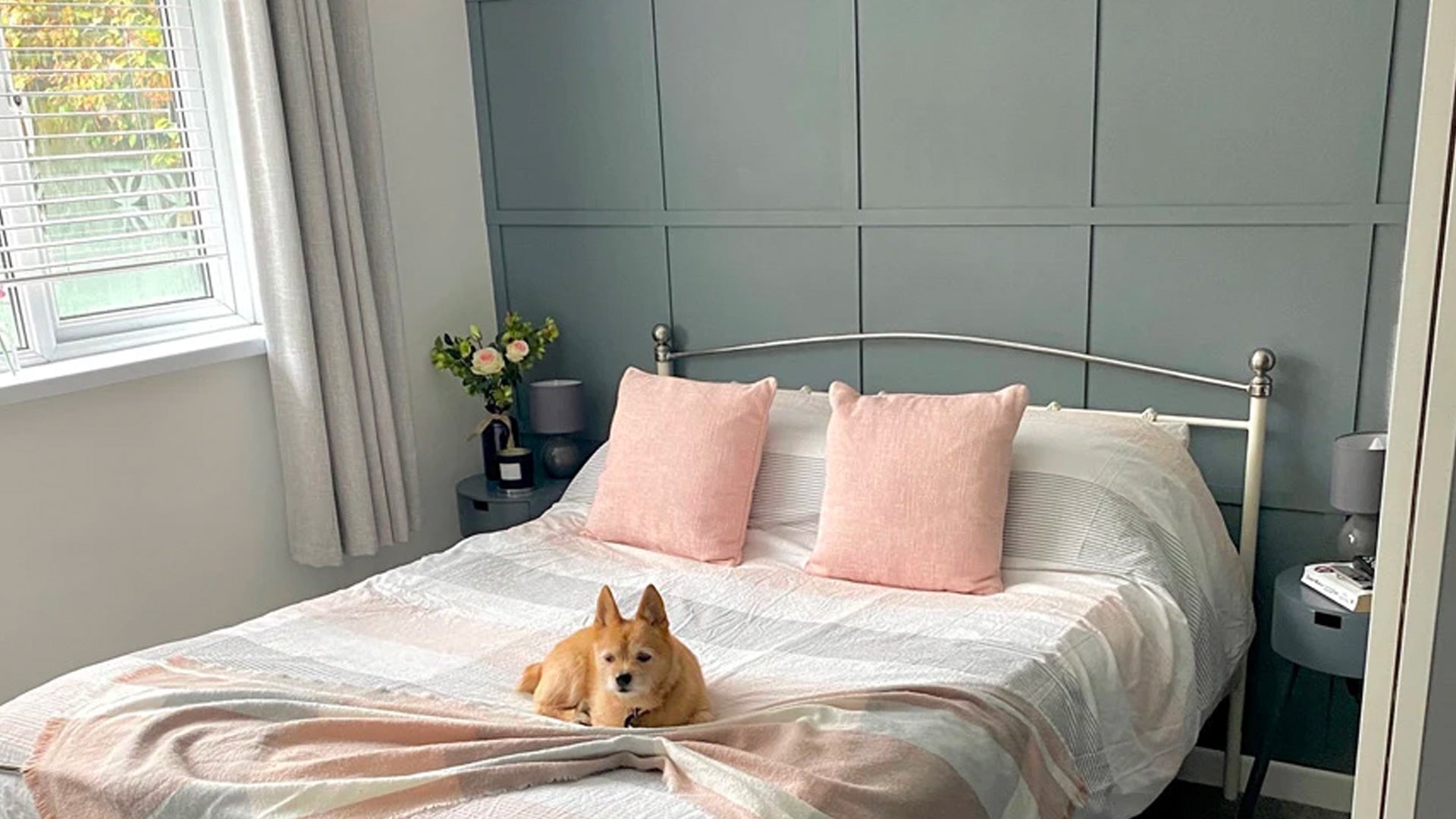
Choosing the right paint for your bedroom depends on your personality and habits, then finding colours that introduce balance.
Do you struggle to fall asleep? If so, opt for soothing blues and greens that promote rest.
Generally, darker shades are less stimulating and cosier, cocooning us as we doze. For this reason, we suggest Smooth Operator or Velvet Crush for walls. You could even upcycle old furniture with a luxurious shade of dark green like Victory Lane.
What are the best colours for a living room?
Communal spaces, including living rooms, should feel convivial and spark joy, so prioritise colours that mean something to you.
What makes you happy? Perhaps, it's family holidays abroad with golden sand and turquoise sea. Maybe, you feel your best when walking through sage green fields, drinking in nature's abundance. It could be as simple as just liking pink or red (because we don't always need a reason).
Whatever it is, now's your chance to experiment. Clash wall colours with patterned throws, pillows and rugs. Fill wall space with photos, postcards and trinkets. Above all else, make sure there's plenty of natural or artificial light to make the area feel as welcoming as possible.
What are the best colours for a kitchen?
Nothing shines brighter than a clean and uncluttered kitchen. Cue white - exceptionally versatile and ultra-chic no matter the setting.
Modern homes benefit from monochrome schemes in varying shades of white, black and grey. Alternatively, go for shabby chic vibes by pairing white walls with wooden furniture and accents.
A hot trend right now is to use a different colour for the top and bottom cupboards, with the top typically paler against the darker base.
What are the best colours for a bathroom?
Many bathrooms are smaller with fewer windows, so run the risk of feeling dingy and confined. Consequently, choose a colour that maximises space and promotes relaxation (for all the obvious reasons).
Spa-like colours are perfect if you're a bubble-bath lover who soaks in the tub. Think gentle lavenders, serene blues and warm sands. For something bolder, teal creates a seaside vibe, while navy blue invokes the nautical.
Additionally, pale greens immediately make small spaces feel lighter and more expansive because it brings the outside inside. Alongside taupes, browns and plenty of indoor plants, you'll practically feel the fresh air on your skin.
Choosing paint colours for an entire home
Perhaps you’re choosing paint colours for an entire home rather than room by room. If that’s the case, consistency is key. A well-planned palette helps rooms flow naturally into one another, creating a cohesive and balanced interior.
Start by limiting your palette to three to five core colours. This keeps your home feeling coordinated without becoming repetitive. One colour can act as your main neutral, while the others serve as accent shades used in different rooms.
Using one consistent neutral throughout the home is a particularly effective strategy. Having that neutral shade in hallways, staircases or connecting spaces helps link rooms together and prevents the design from feeling disjointed.
Another useful tip is to repeat accent colours across multiple rooms. You might have a deep blue like Hornblower used on a feature wall in the living room, for example. That could reappear in accessories or furniture in nearby spaces. This subtle repetition creates visual harmony throughout the home.
Finally, consider using lighter or darker variations of the same shade. This approach allows you to introduce variety while maintaining a consistent colour story. A soft sage green like Wise Old Sage might appear in the hallway, for instance, while a deeper tone like Steaming Green could be used in a dining room or study.
Choose the right colours with Frenchic
Whether you're decorating your bathroom, kitchen, living room or bedroom, Frenchic’s extensive collection of award-winning paint won't disappoint. We have a treasure chest of options to suit every theme, personality and setting.
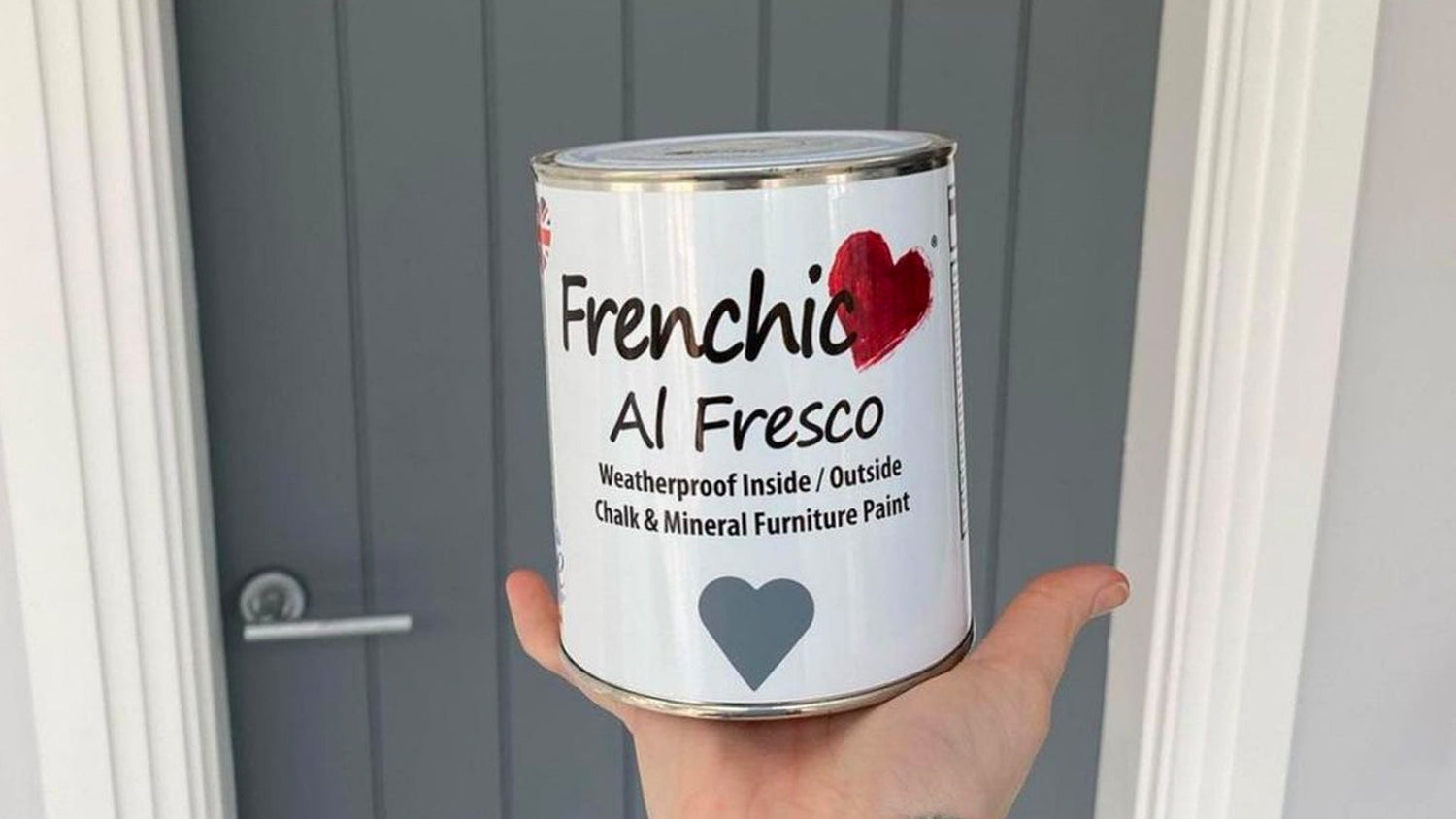
You're sure to discover the ideal shade for your home. For furniture paint, take a closer look at our Original Artisan Range and Lazy Range. Frenchic Al Fresco Inside/Outdoor Range is a durable, weatherproof, UV resistant chalk paint specifically developed to protect and transform your garden and inside furniture. While the superior coverage and velvety finish of the Chalk Wall Paint will enhance any room it graces.
To find the perfect partner for your home's interior decor, browse our selection today. Or, if you want some more colour inspo, why not check out our list of the best quotes about colour to set off your imagination.
Choosing paint colours: FAQs
How do I choose the right paint colour for a room?
Start by considering the room’s purpose, lighting and existing furnishings. Look for inspiration in fabrics, artwork or furniture you already love, then test Frenchic’s Peel & Stick Paint Samples on your walls before committing to a final colour.
Should you choose paint before or after furniture?
It’s usually easier to choose paint after furniture. Furniture, flooring and large décor items can be harder to change, while paint colours can be adjusted to complement them.
What is the easiest way to choose paint colours?
The easiest approach is to start with a neutral base and introduce accent colours through furnishings or feature walls. Using Peel & Stick Paint Samples in your home is also one of the simplest ways to choose with confidence.
How many colours should a house interior have?
Most homes work best with a palette of three to five colours. This creates variety while maintaining a cohesive design that flows smoothly between rooms.
Do paint colours look darker or lighter on walls?
Lighting conditions, room size and surrounding décor can all influence how a colour appears.
What colours make rooms look bigger?
Light, reflective colours such as soft whites, pale greys and gentle neutrals can make rooms feel larger and more open. Cool tones like light blue or green can also create a sense of spaciousness.