




Key FAQ Points:
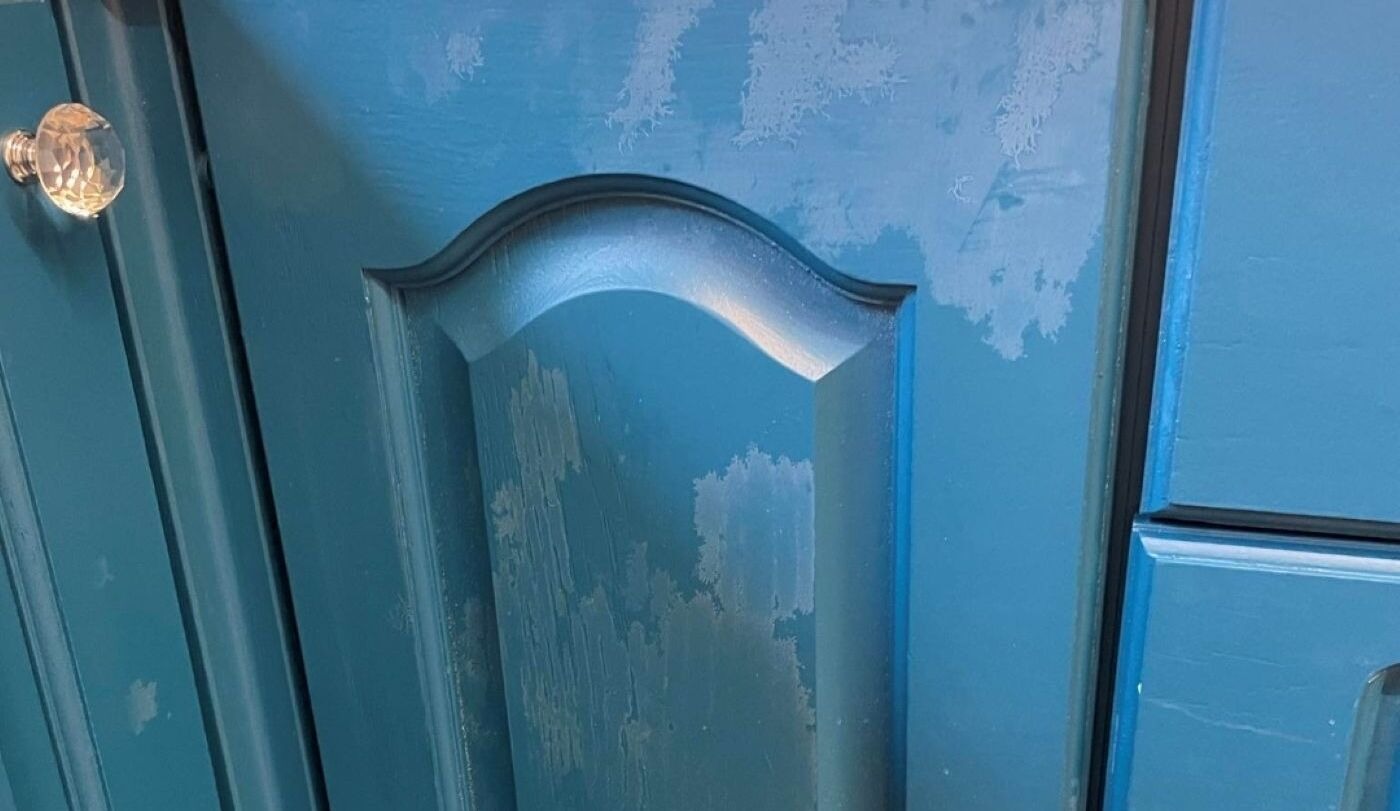
- Paint bloom is a cloudy, mottled, whitish haze that appears when paint dries
- It’s caused by moisture in the paint, which can be down to high humidity, cold temperatures or fast drying.
- Bloom often clears on its own, but light sanding and recoating can fully restore the finish.
- To prevent blooming, avoid excessive cold, heat and humidity for the 48-hour drying period. Protect paint from rainfall and direct sunlight too.
---
Does your paintwork look a bit cloudy? It could be paint bloom. Also referred to as blushing, it creates an irregular, mottled and almost opalescent effect, often in isolated areas. Fortunately, it’s simple enough to fix and easy avoid in future.
What causes paint bloom?
It’s not always possible to pinpoint the exact reason for paint blooming. In fact, it can be a combination of the following factors:
- Moisture in the air – If the air is too humid, moisture can condense on your wet coating during application or initial curing.
- Fast solvent evaporation – If you paint in conditions that are particularly warm or windy, the paint can dry too quickly and trap moisture.
- Cold conditions – While cold temperatures slow the paint curing process, they also attract condensation on the surface, which increases the chance of bloom.
So, what is paint ‘blooming’?
While the process of bloom appearing is sometimes referred to as ‘blooming’, the name doesn’t come from a specific reaction. Instead, it’s simply about the visual defect that’s similar to the whitish ‘bloom’ haze on chocolate, varnish, metal and photographs.
How to fix paint bloom
When you see paint bloom, you might worry that your paint job is ruined and you’ll start again. Thankfully, that’s not the case.
In fact, bloom can often remedy itself in the presence of dry air and sunlight. This happens because the moisture that caused the defect gradually leaves the surface.
However, you may also remedy with a very lightly sanding the affected areas, if necessary. Once the bloom is removed, add another full coat of paint for a fresh, unblemished finish.
How to prevent paint blooming
Prevention is better than cure, as they say. If you want to avoid paint blooming altogether, it’s important to bear in mind the conditions you’re painting in.
Specifically, you should avoid painting if any of the following are present over the following 48 hours:
- Temperatures below 10°C – This includes night-time temperatures, which often drop well below those in the day.
- Excessive moisture – Ensure humidity is below 80% for the full 48 hours.
- Temperatures above 32°C or direct sunlight – This will cause paint to dry too quickly.
- Rain – Even a brief shower or indirect moisture (splashback or wind-blown rain) can disrupt how your paint dries if it’s outdoors.