





HOW TO - FAQs - IDEAS & TIPS - GALLERY
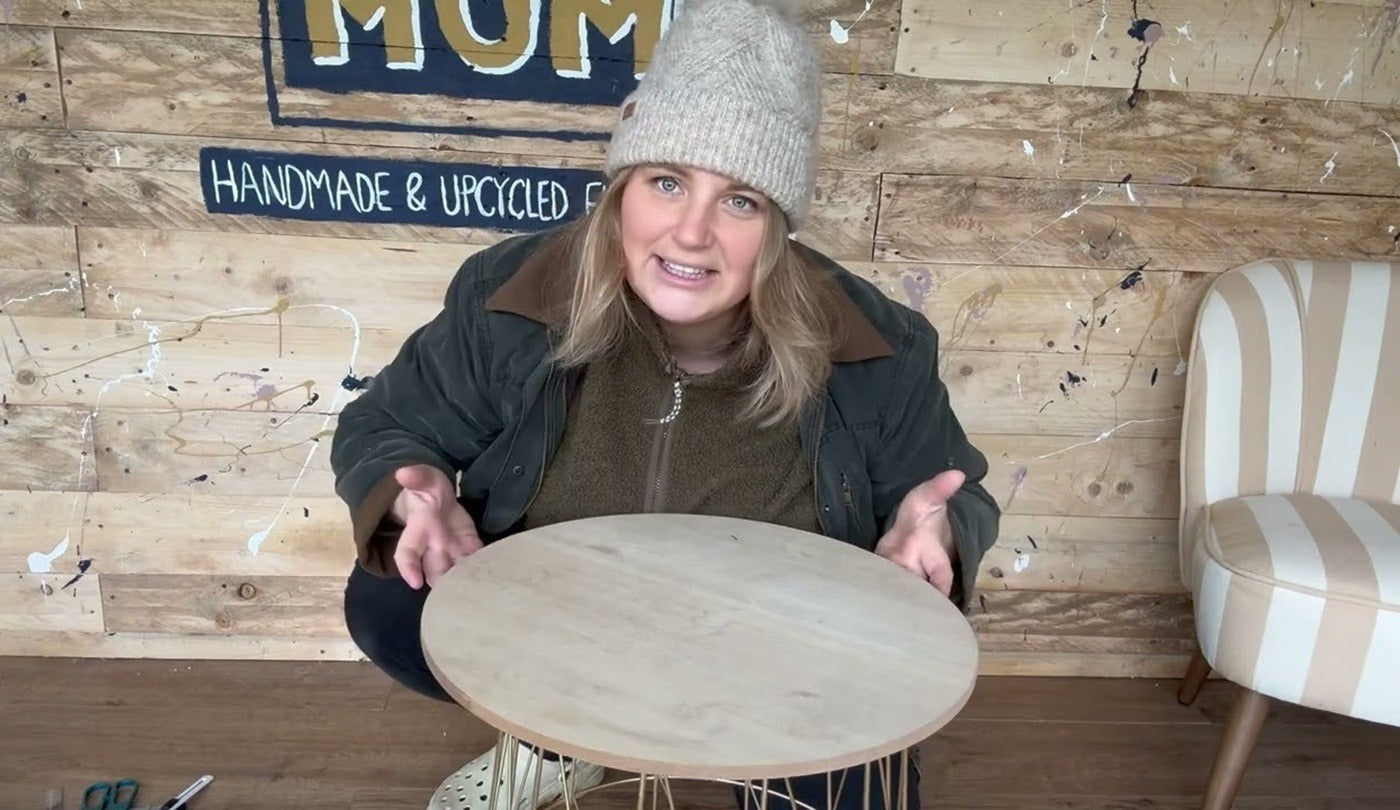
How to Wrap Rounded Edges & Curved Surfaces
Key FAQ Points: You can use vinyl wraps on rounded edges and curved surfaces with great results. Start by applying your wrap to any flat surfaces, leaving curved edges and corners for afterwards. ...
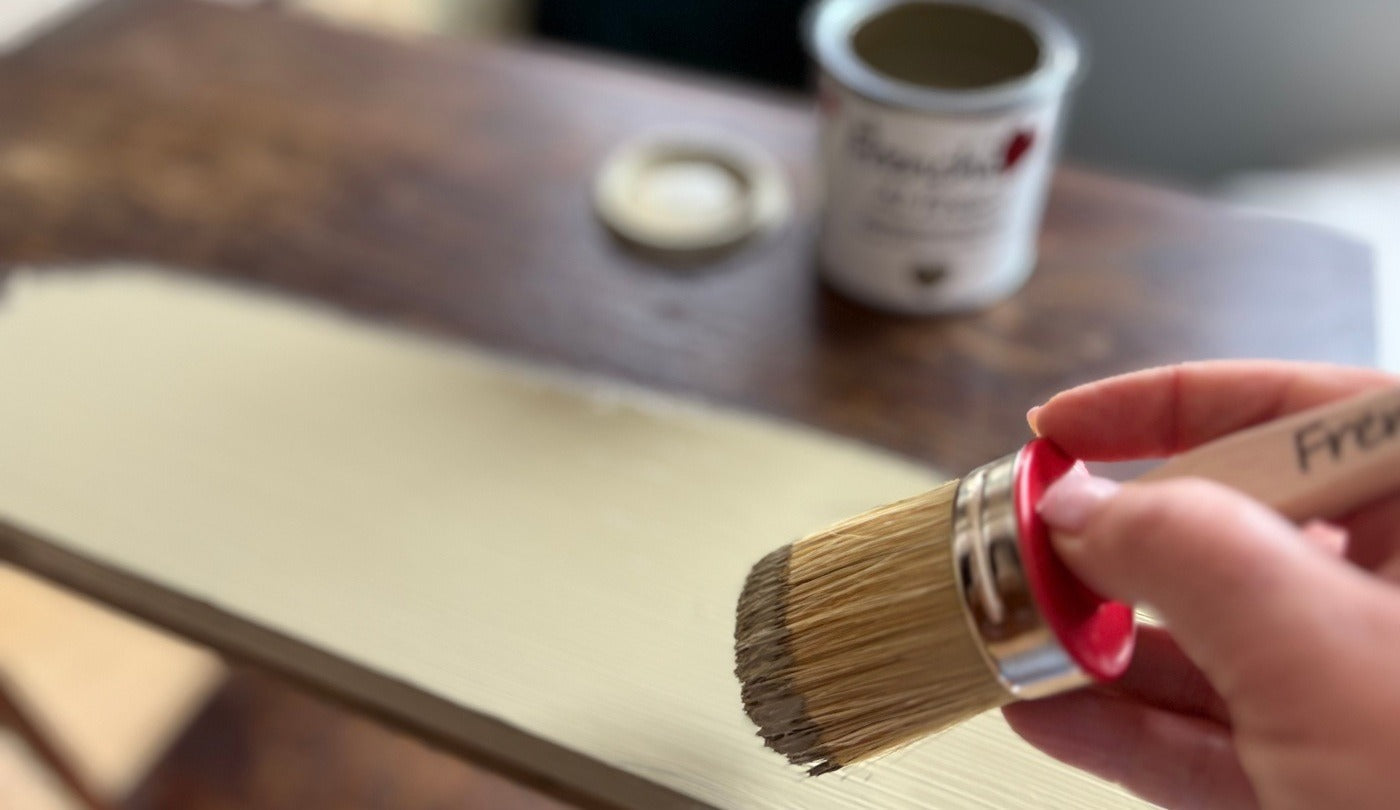
What Do I Need to Paint Shabby Chic Furniture?
Key FAQ Points Yes, you can easily transform furniture into shabby chic style with the right prep and tools. Old and salvaged furniture can be revived, but you’ll need to sand and clean it before ...
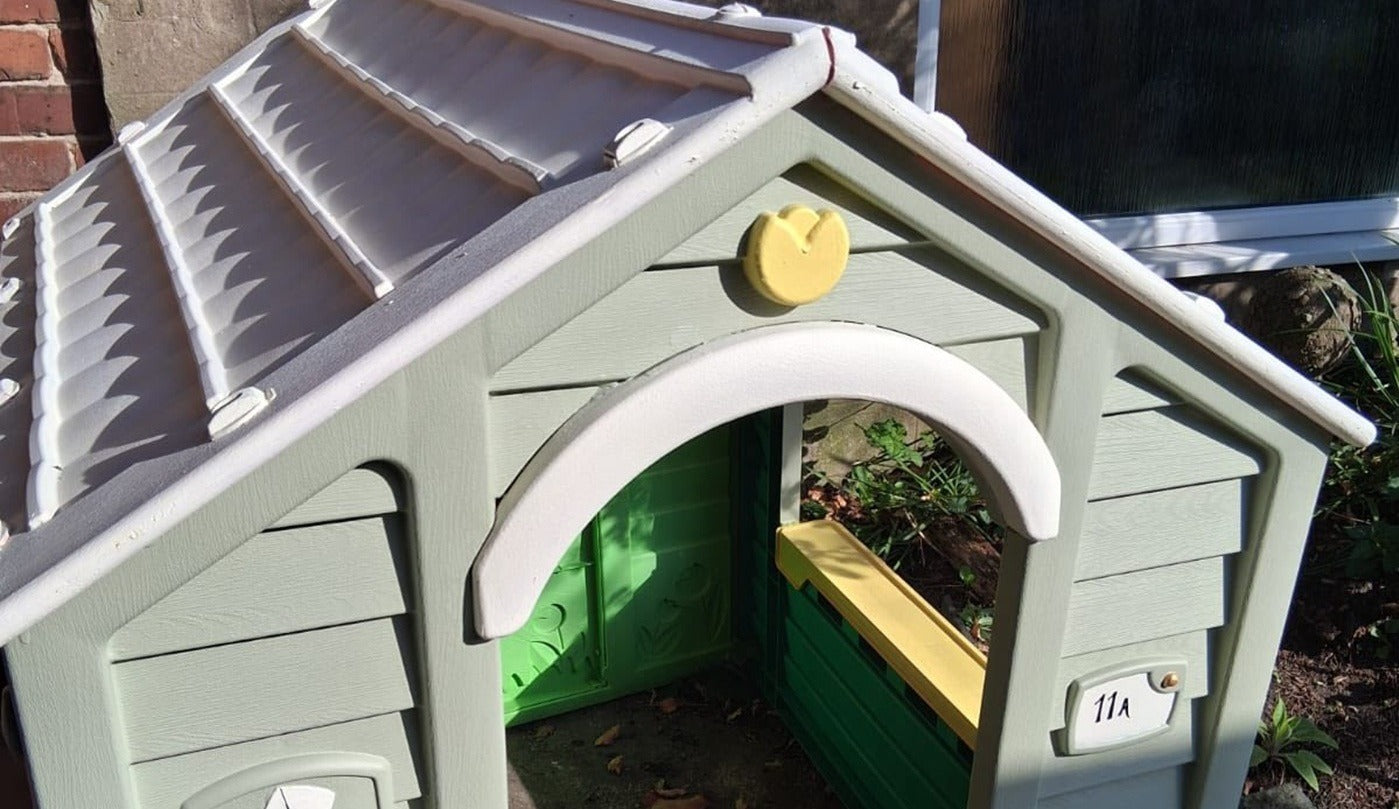
What’s the Best Paint for a Playhouse?
Key FAQ Points: Your choice of paint will depend on the surface, with wood and PVC the two most common candidates. Paint will need to be water- and UV-resistant if your playhouse is outdoors. You ...
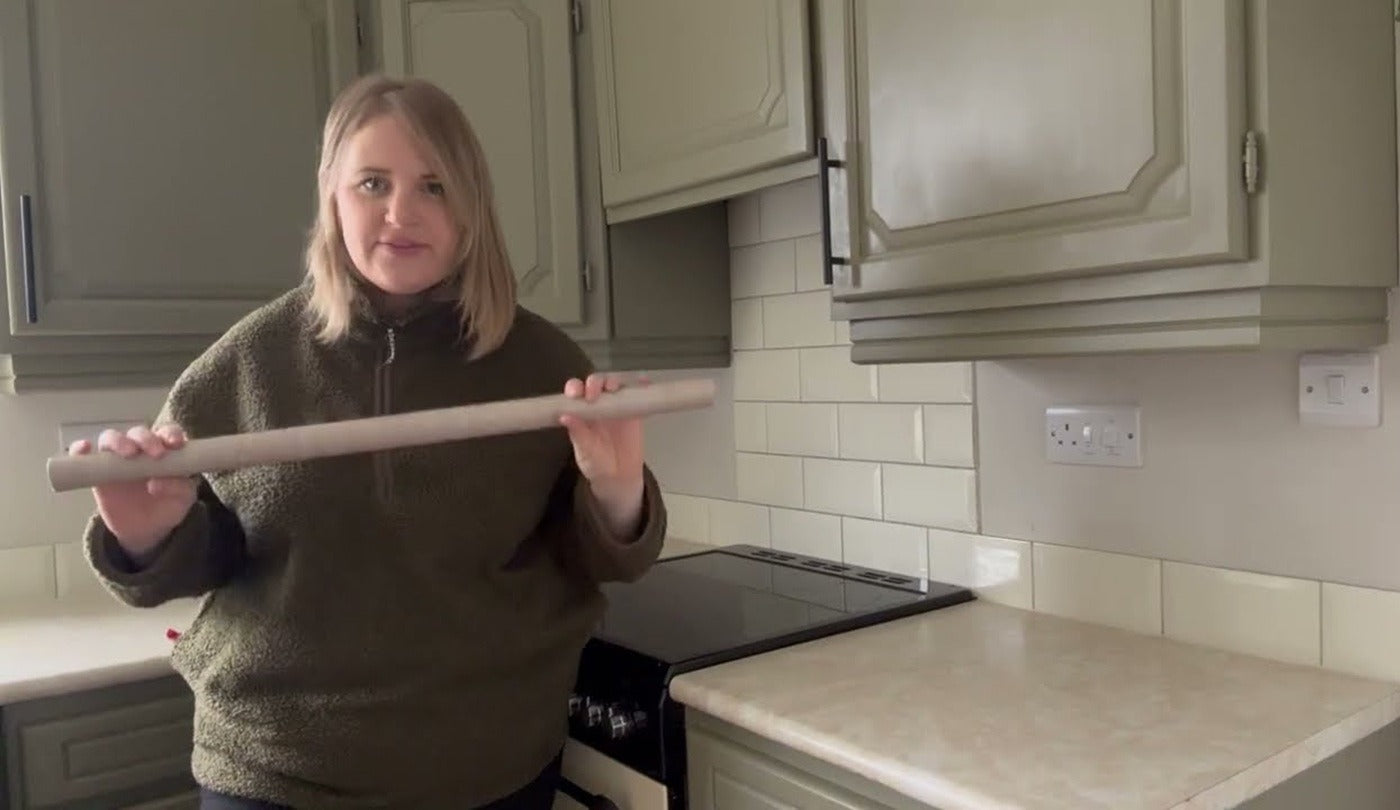
How to Wrap a Corner with Vinyl
Key FAQ Points: It’s easy to apply a vinyl wrap to corners with the right tips. Start by applying your wrap to the main surface, so corners can be tackled towards the end. Score down the middle, t...
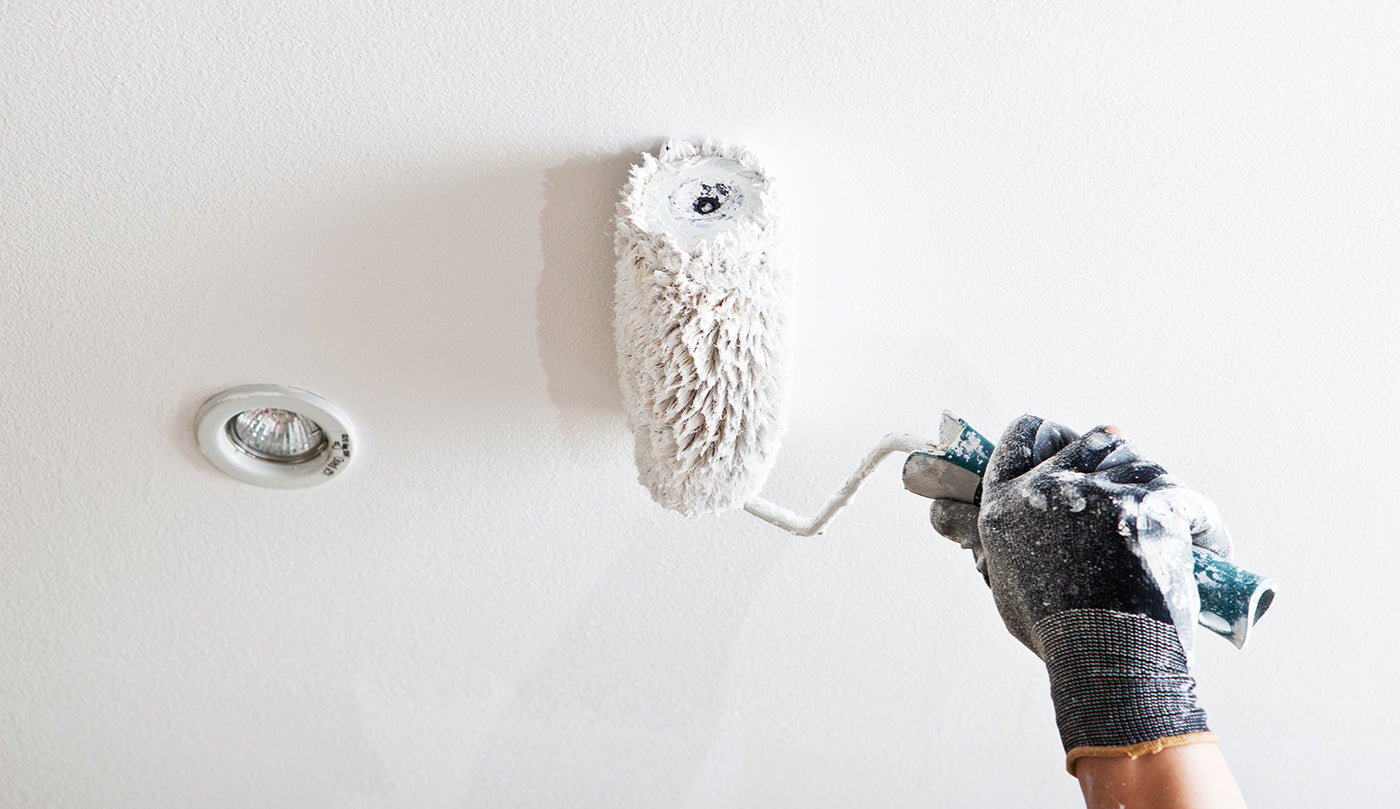
What’s the Best White Paint for Ceilings?
Key FAQ Points The best white paint for ceilings depends on the level of brightness and warmth you prefer. A matte finish is ideal for a smooth, non-reflective look that hides imperfections. Frenc...
Can You Paint Matte Over Silk Wall Paint?
Key FAQ Points Yes, you can paint matte over silk paint – though there are some stipulations. Some paints won’t adhere well, leading to an uneven finish, cracking or crazing. You can avoid this by...

Key FAQ Points: Make sure the plaster is completely dry. This typically takes around 4 weeks, though drying time can be longer in cool or damp conditions. Prepare your plaster, put down protective...
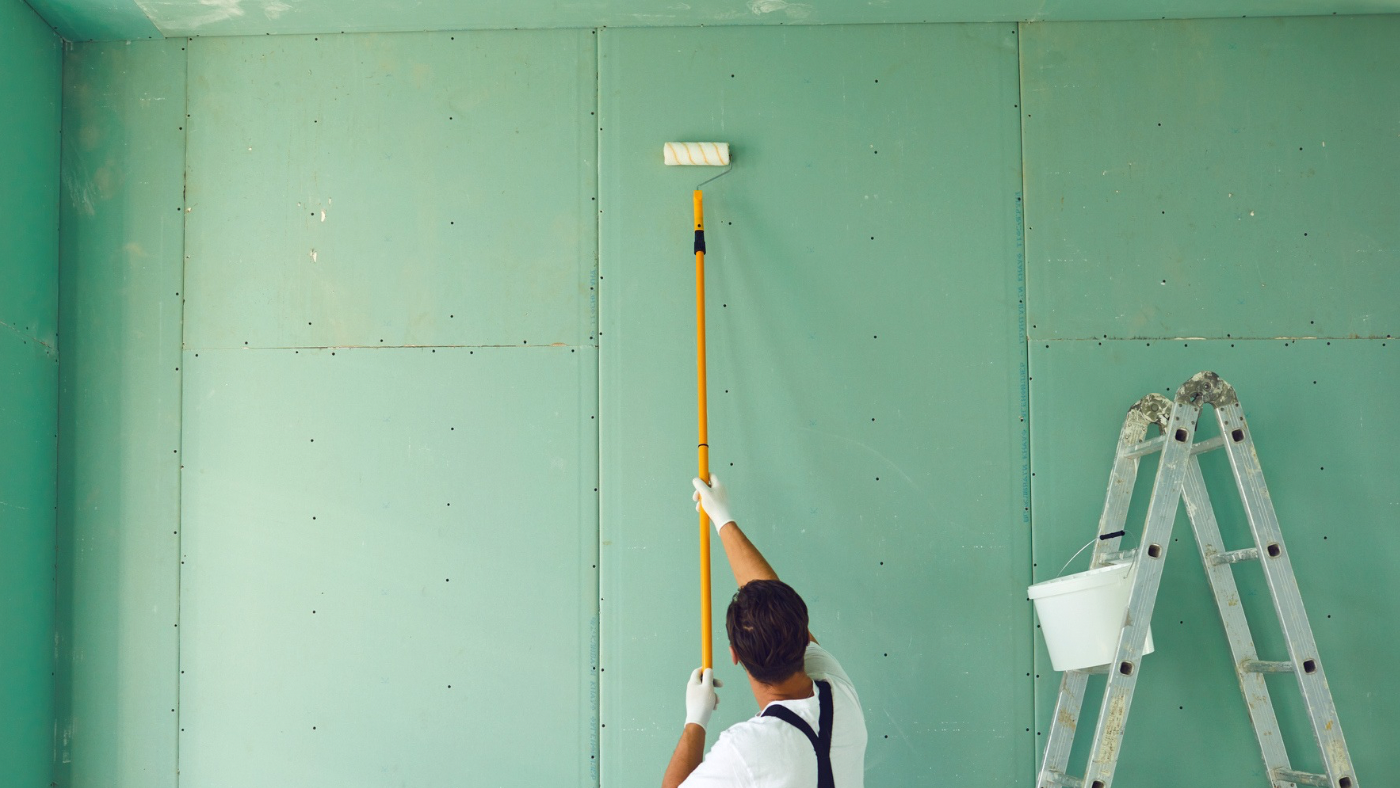
Can You Paint on Plasterboard?
Key FAQ Points Yes, you can paint directly onto plasterboard, but proper preparation is essential to ensure a smooth, long-lasting finish. Applying a mist coat (slightly diluted paint) is crucial ...
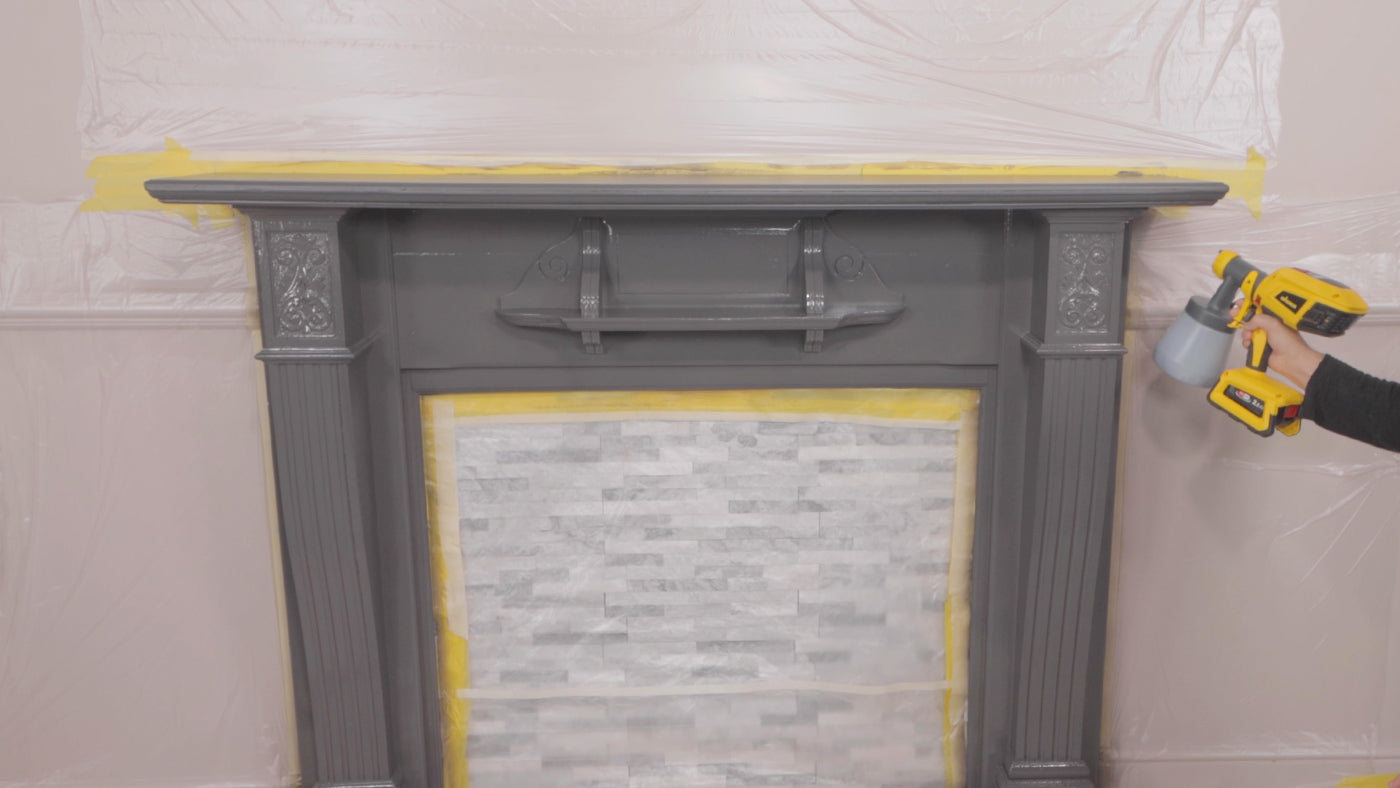
Key FAQ Points You can spray Frenchic Chalk Wall Paint, Trim Paint, Lazy Range and Al Fresco using a paint sprayer. For best results, thin the paint by adding approximately 10-15% tap water. Be su...
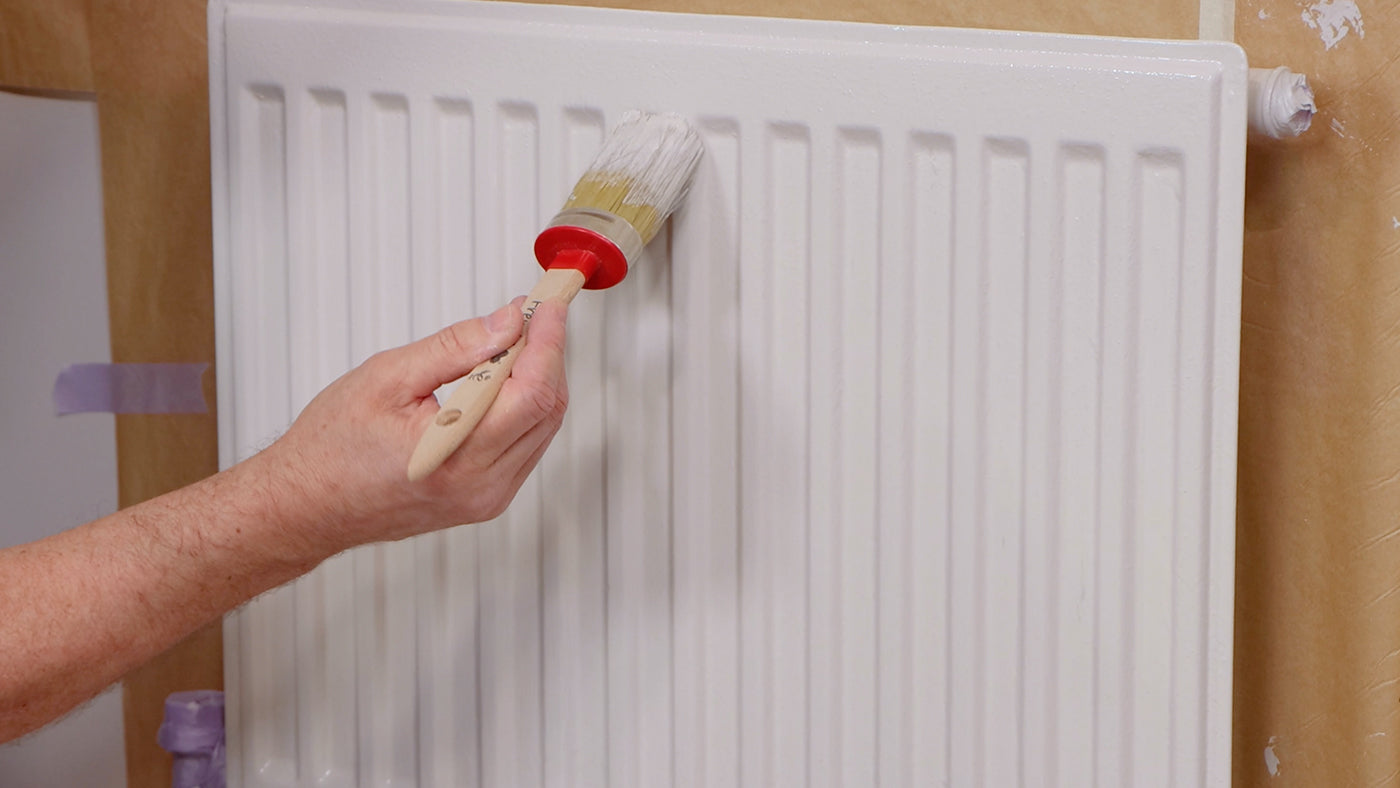
How Many Coats of Paint Do I Need?
Key FAQ Points For most painting projects, a minimum of two full coats is recommended to give a durable, great-looking finish Porous surfaces like MDF will need extra coats due to moisture absorpt...
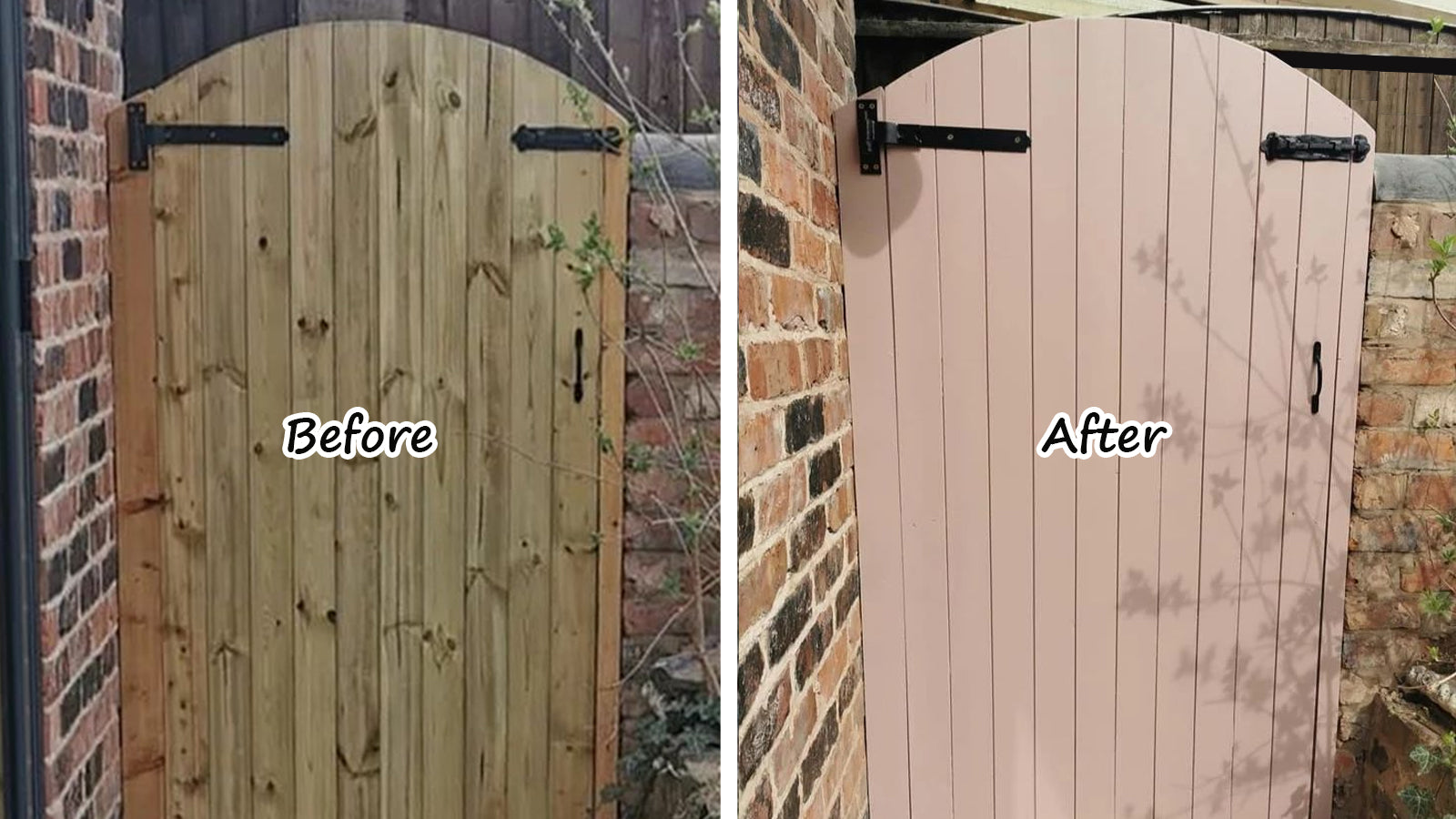
Can You Paint Pressure Treated Wood?
Key FAQ Points: Pressure-treated wood has had chemicals forced through the timber to prevent decay or improve fire resistance. You need to ensure the wood is in suitable condition for painting and...
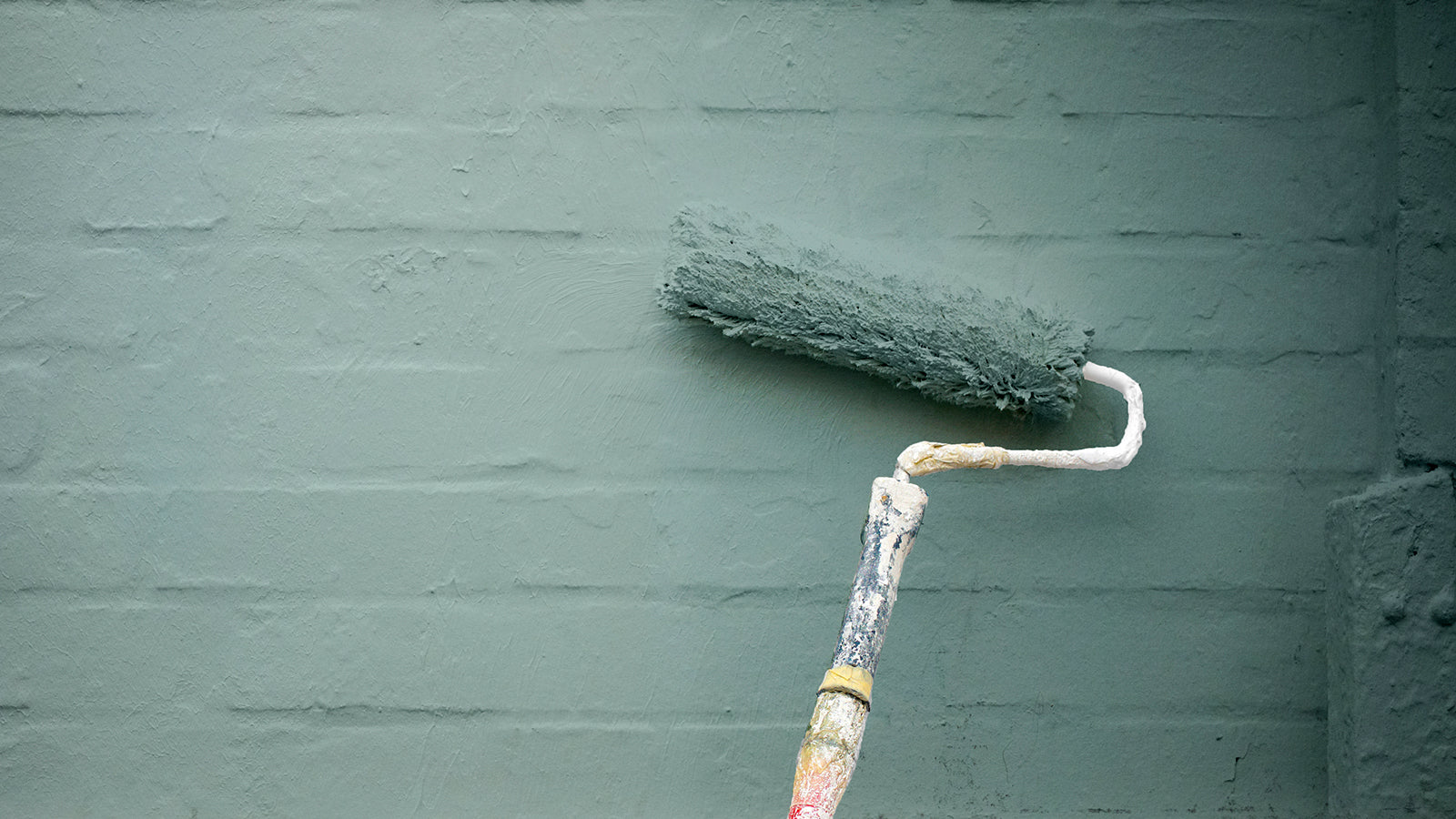
Can You Paint Masonry? (Stone, Brick & Concrete Block)
Key FAQ Points: You can paint various masonry surfaces including stone, brick, concrete blocks, cement, render and pebbledash. Surfaces must be clean and dry before painting, with a moisture conte...
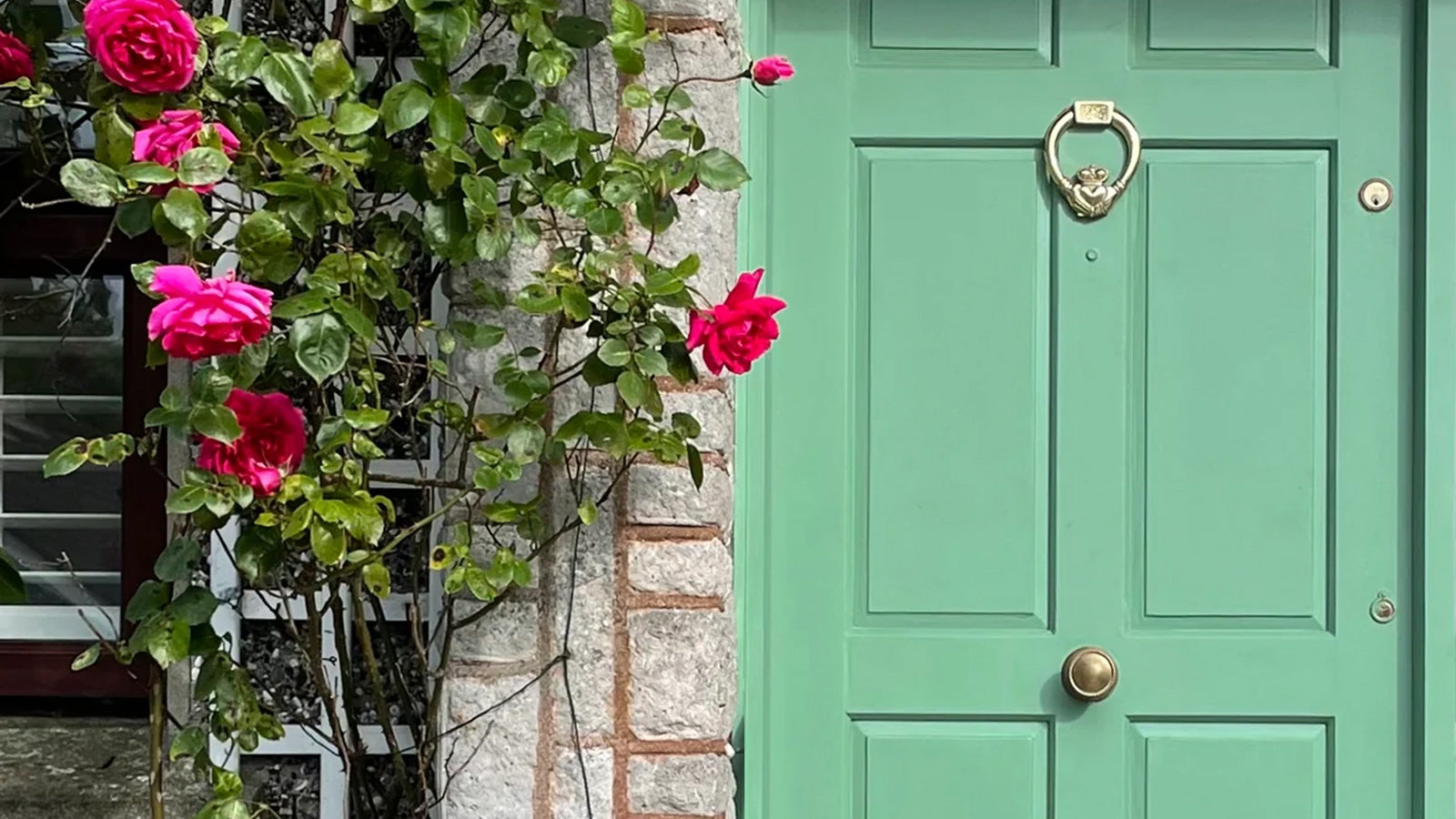
Key FAQ Points: Yes, it is possible to paint almost all front doors with great results. The steps are the same for wooden, uPVC or composite doors. You’ll need to make sure your door is structural...
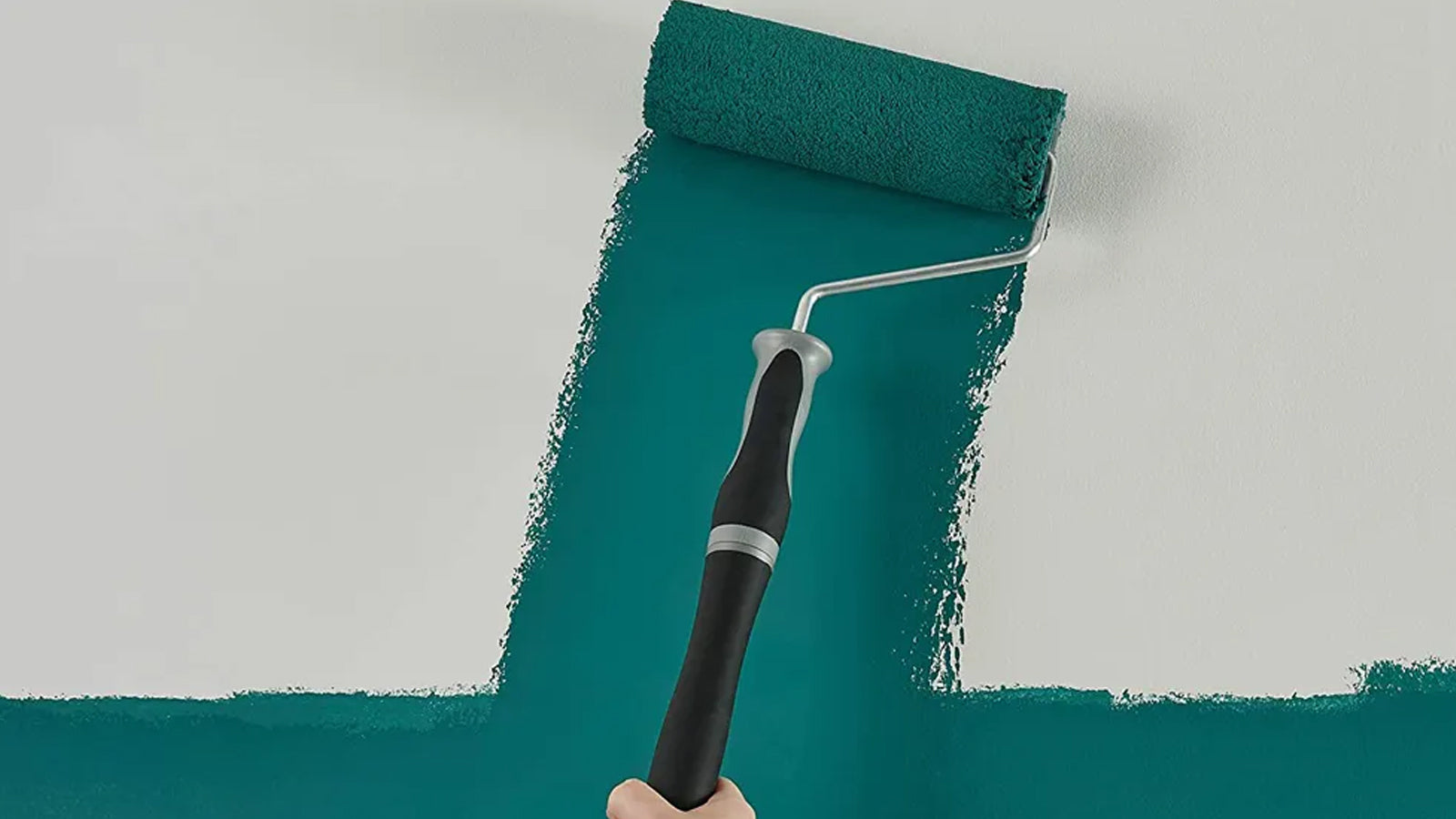
Brushing vs Rolling vs Spraying: What's Best for Me?
Key FAQ Points: Brushes and rollers are more affordable, whereas a sprayer is a bigger outlay and uses more paint. Spraying can be quicker as long as you can mask off everything that shouldn’t be ...
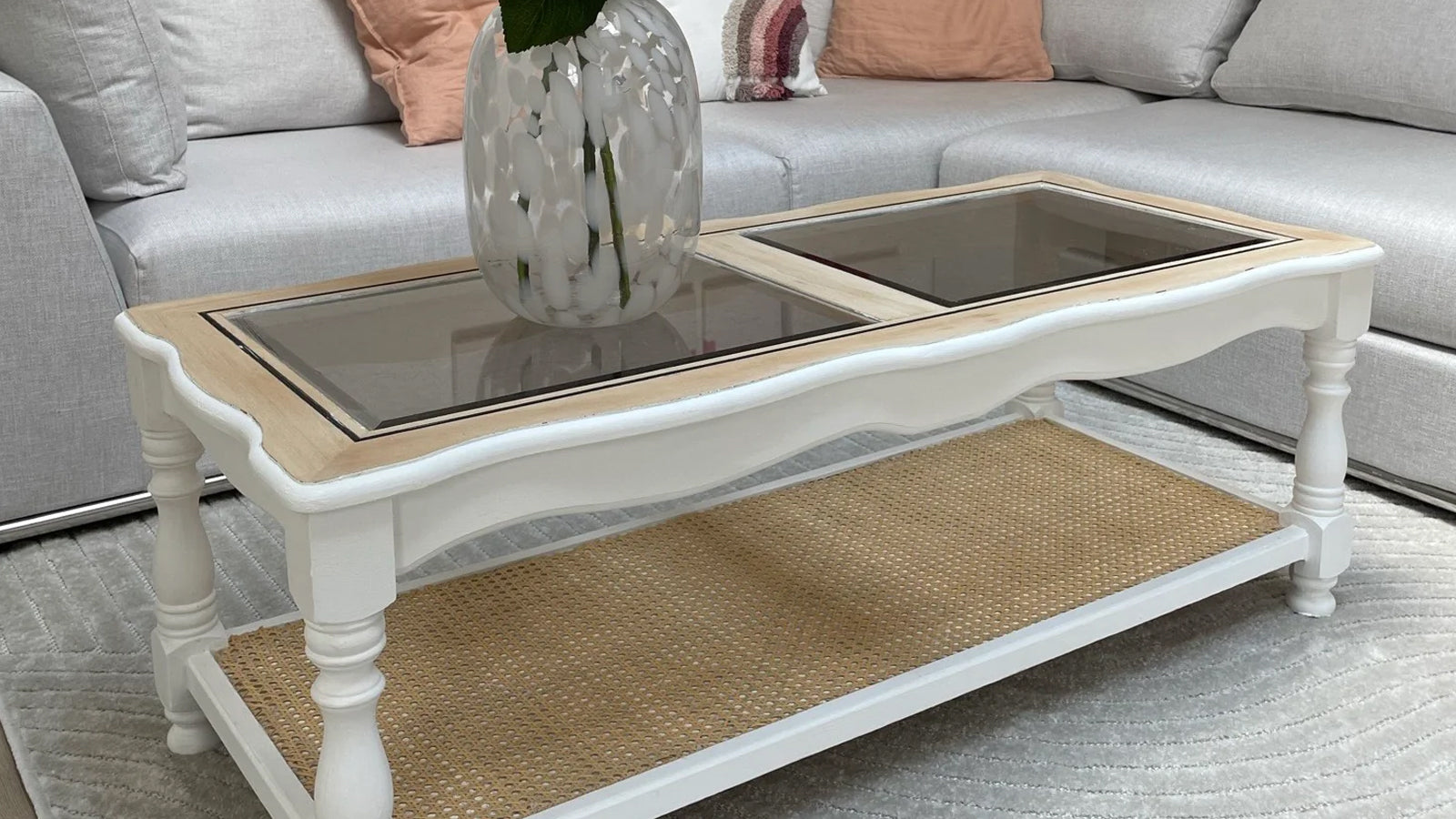
How to Maintain Painted Furniture
Key FAQ Points: Treat surfaces with extra care while paint cures, which can take up to 3 weeks. Dust regularly to avoid a build up. When you need to wipe clean, use a mild detergent and a damp clo...
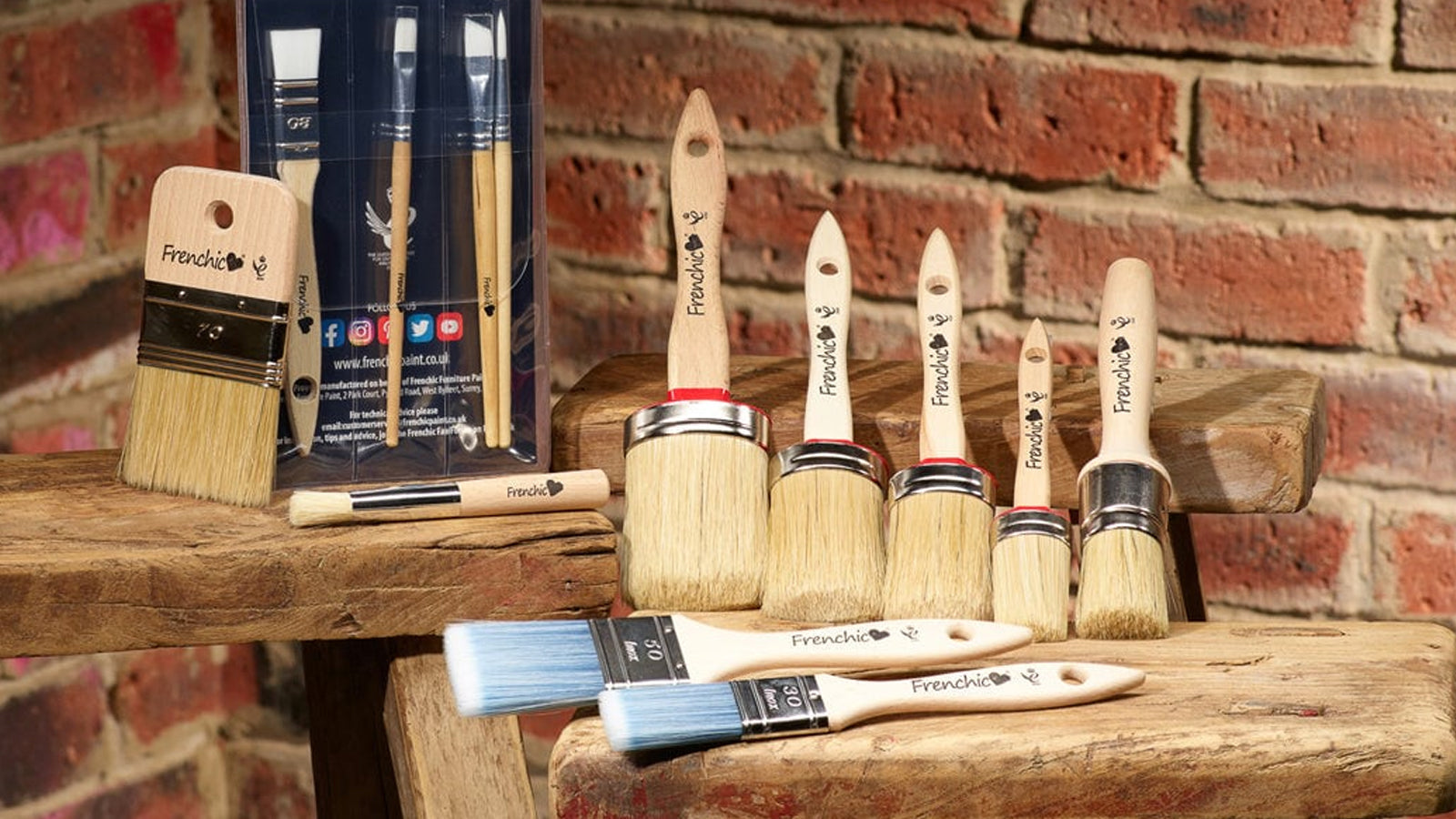
What Supplies Do I Need to Paint Furniture?
Key FAQ Points: For preparation, you need sugar soap, a sponge, cloth and sandpaper. You may also need a scraper, masking tape and filler, plus something to apply it. For painting, you’ll need goo...
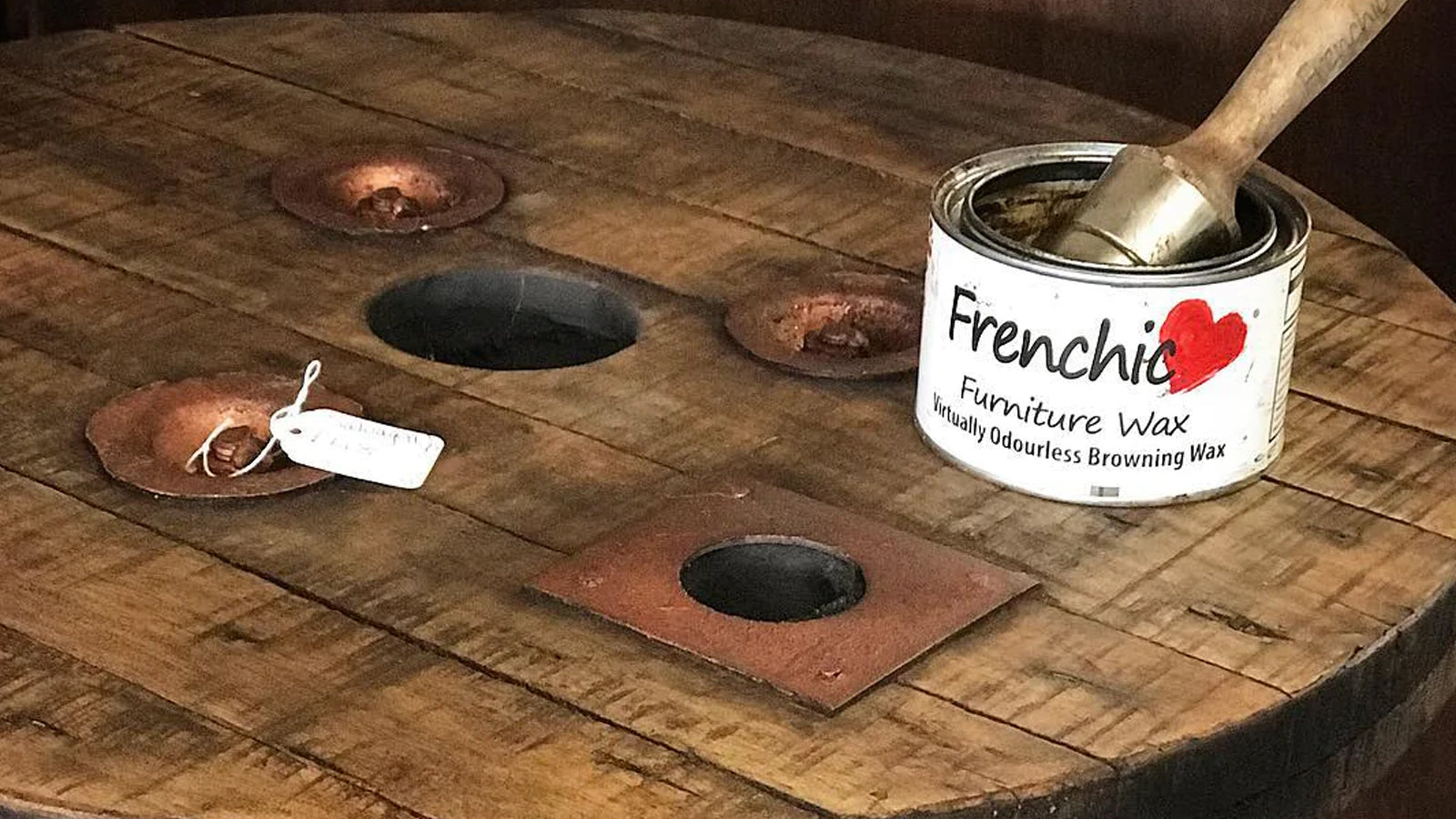
Do I Need to Use Sealant When Painting?
Key FAQ Points: Many paints are self-sealing and don’t need a separate sealant – including many modern chalk paints. However, some paints do, such as traditional-style chalk paint. Check the paint...
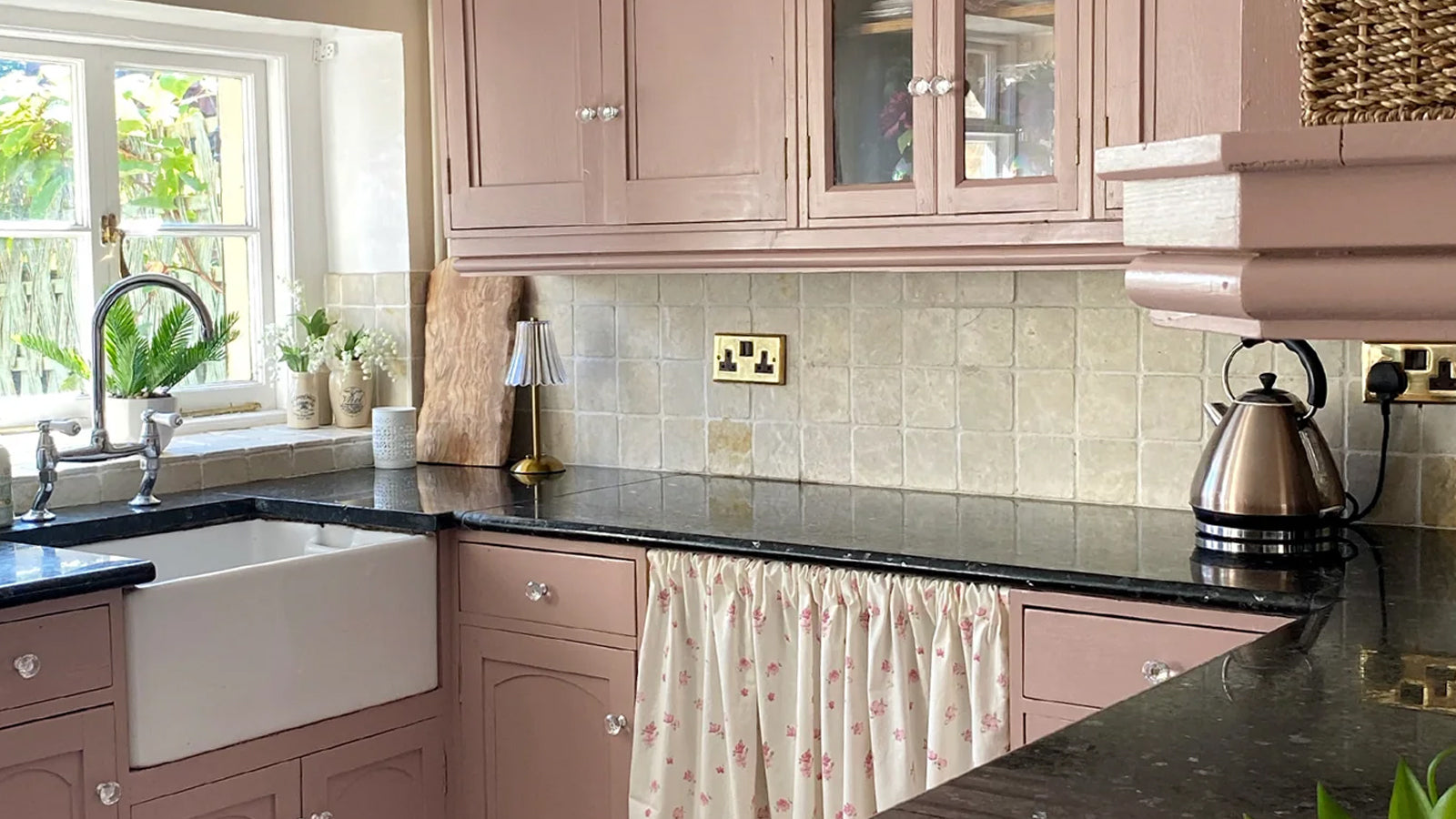
Should I Use Primer or Self-Priming Paint on Furniture?
Key FAQ Points: Self-priming paint saves you the time and effort of applying primer as well as the cost. Chalk paint is self-priming, but choosing one that’s also self-sealing can keep things simp...
Key FAQ Points Getting a smooth finish depends on a number of factors, including: Using the right brushes Mastering your technique Using the right amount of paint Sealing porous surfaces before pa...

Have Some Colours Changed Names?
Key FAQ Points: We have changed the names of some of our paints to make things easier for customers. Loof and Black Tie have been renamed Blackjack Whiter than White has been renamed Whitey White ...
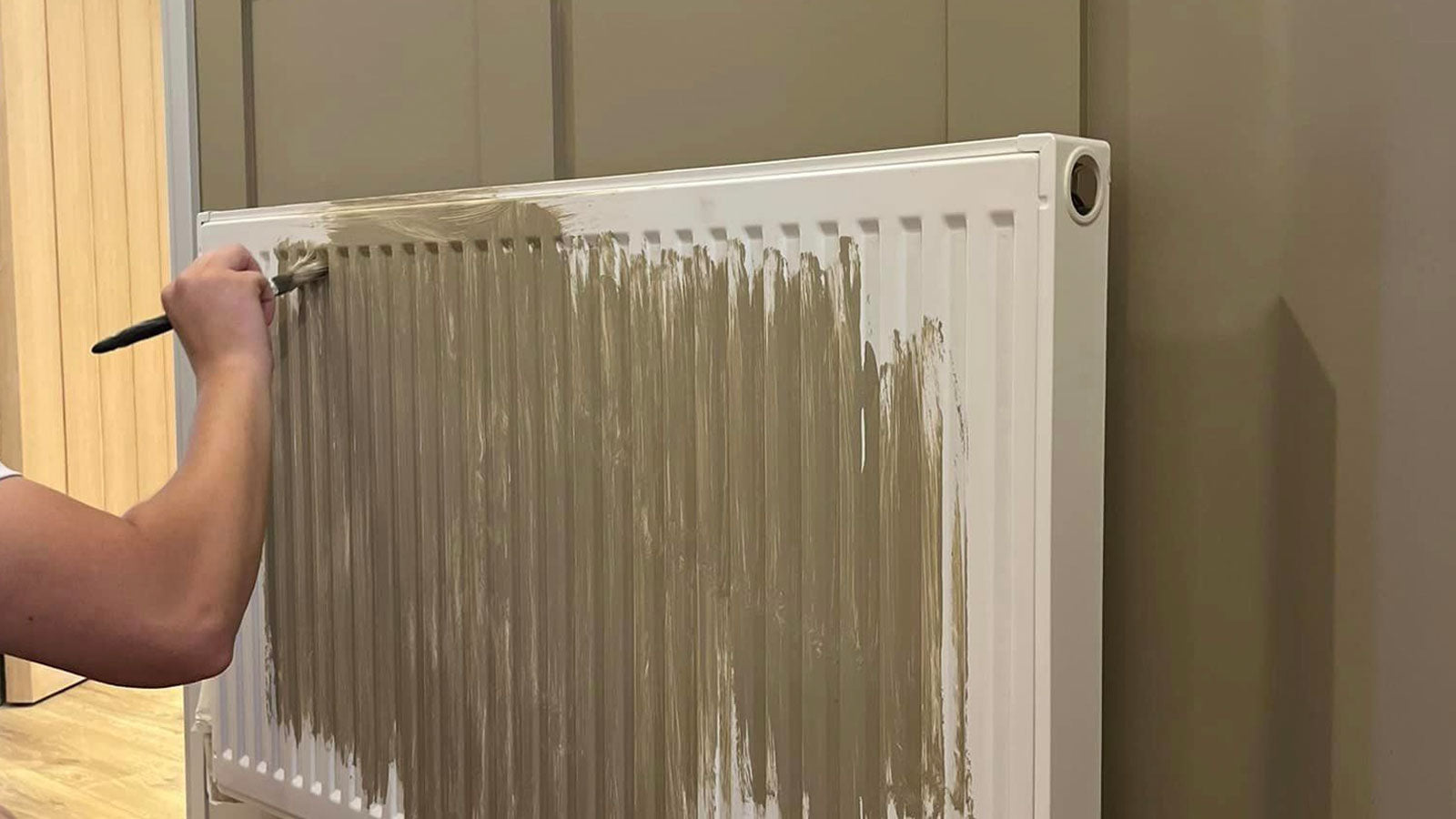
Key FAQ Points: Check your radiator’s finish to know whether it can be painted. Use a paint that is self-priming, self-sealing, suitable for metal and able to tolerate heat. Make sure radiators ar...
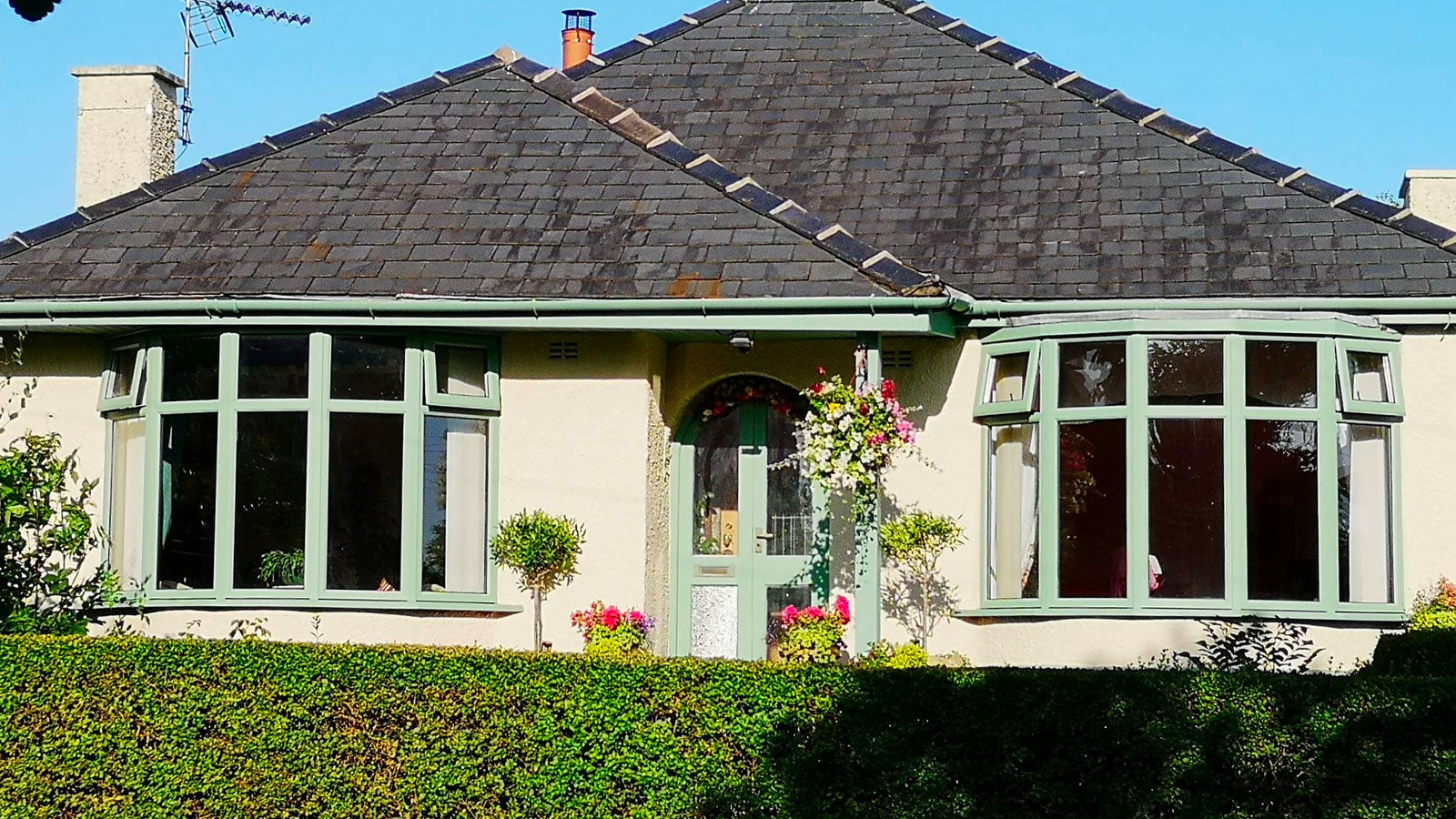
Key FAQ Points: Most uPVC doors and windows can be painted with the right preparation and paint. Use paint that’s weatherproof, durable, self-priming and suitable for uPVC. Wash and sand the surfa...
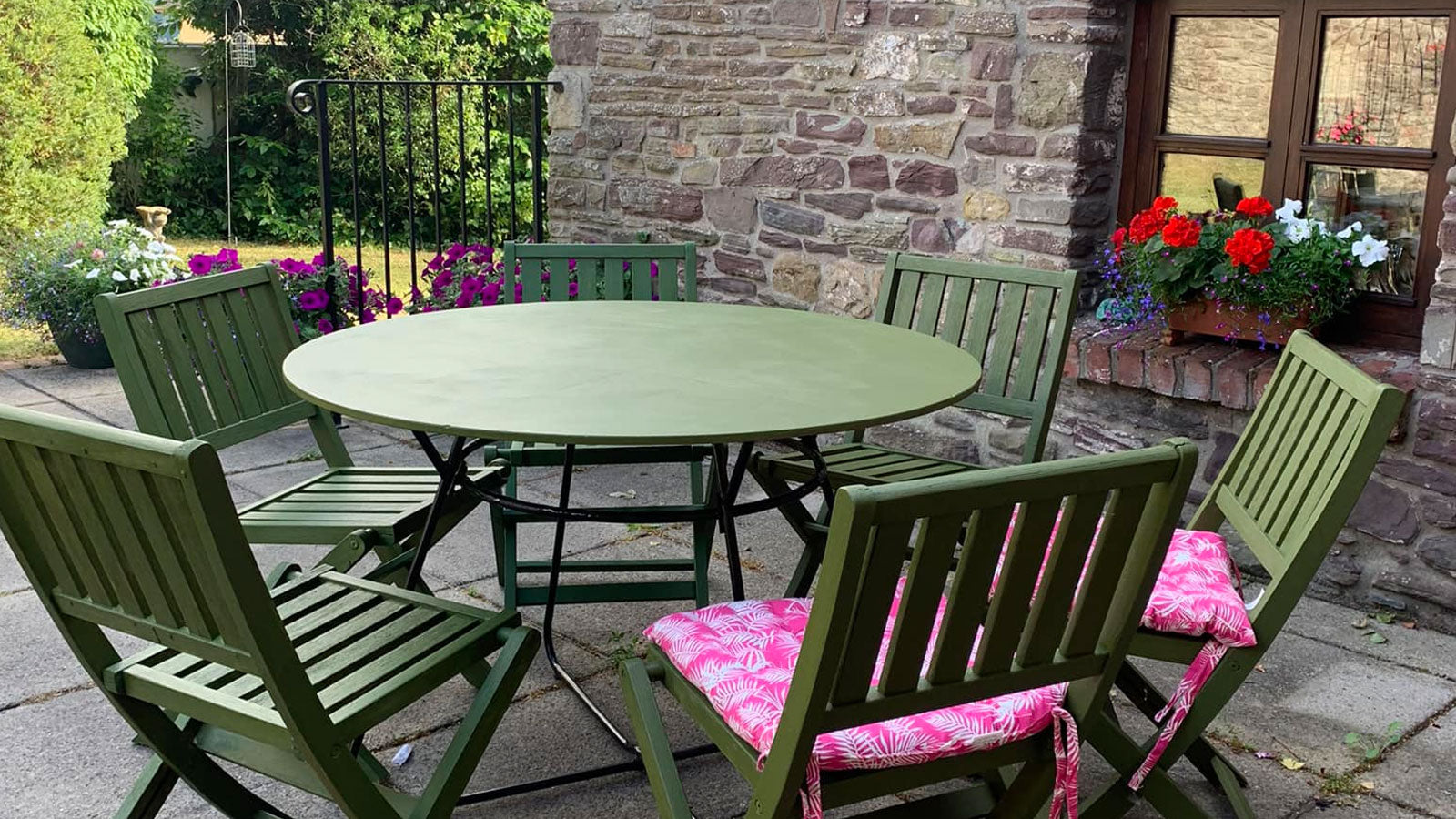
Can I Paint Wooden Garden Furniture?
Key FAQ Points: You can paint wooden garden furniture as long as it’s in good condition. Use weatherproof, durable paint. Clean and sand before starting. Paint during warm, dry weather but not in ...
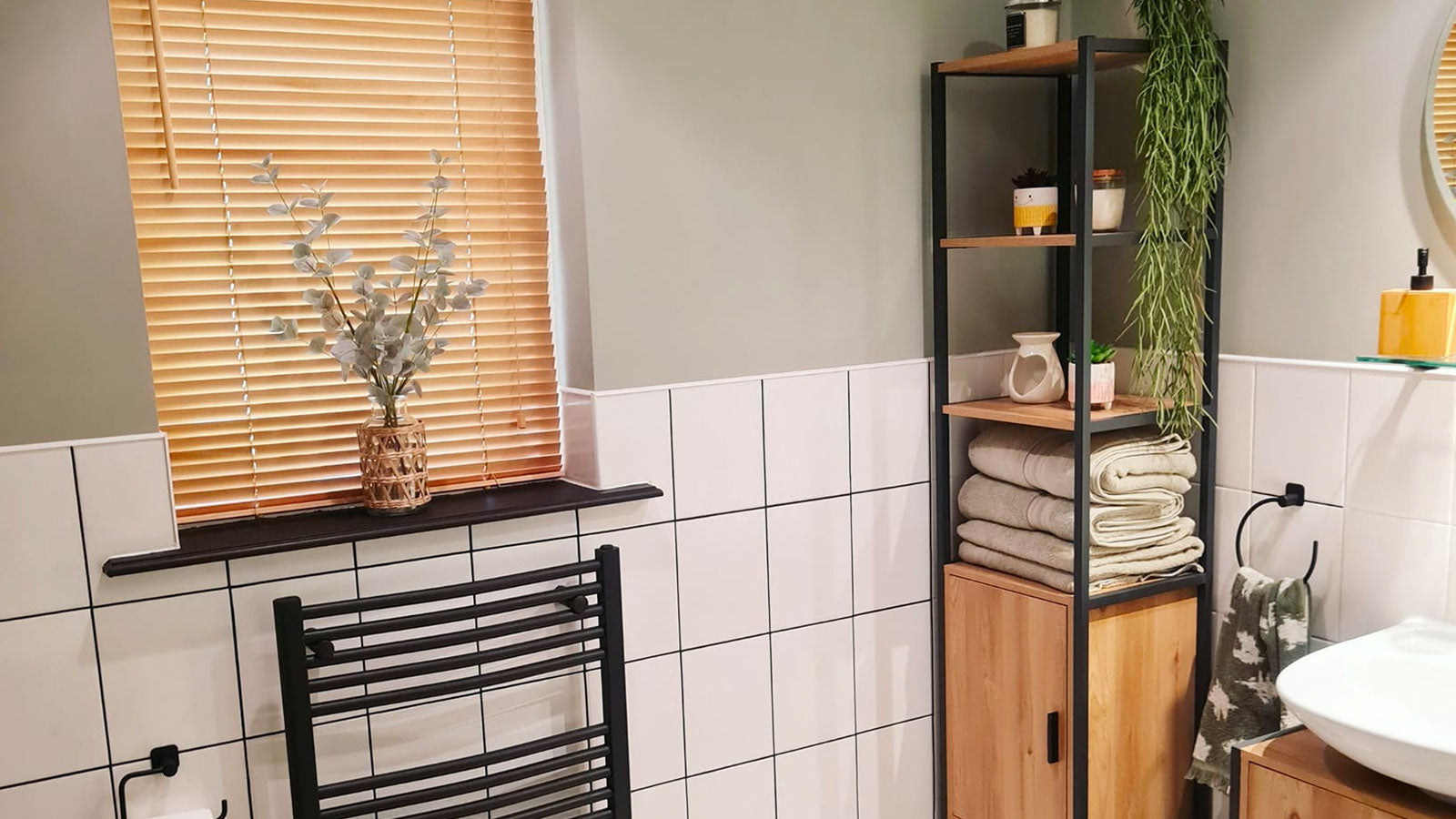
What Paint Do I Need for a Bathroom?
Key FAQ Points: Use paint that is resistant to damp and can be scrubbed or wiped down for hygiene and to remove water marks. Top coats can provide extra protection for some surfaces. Wall tiles ca...
Awards & Recognition
